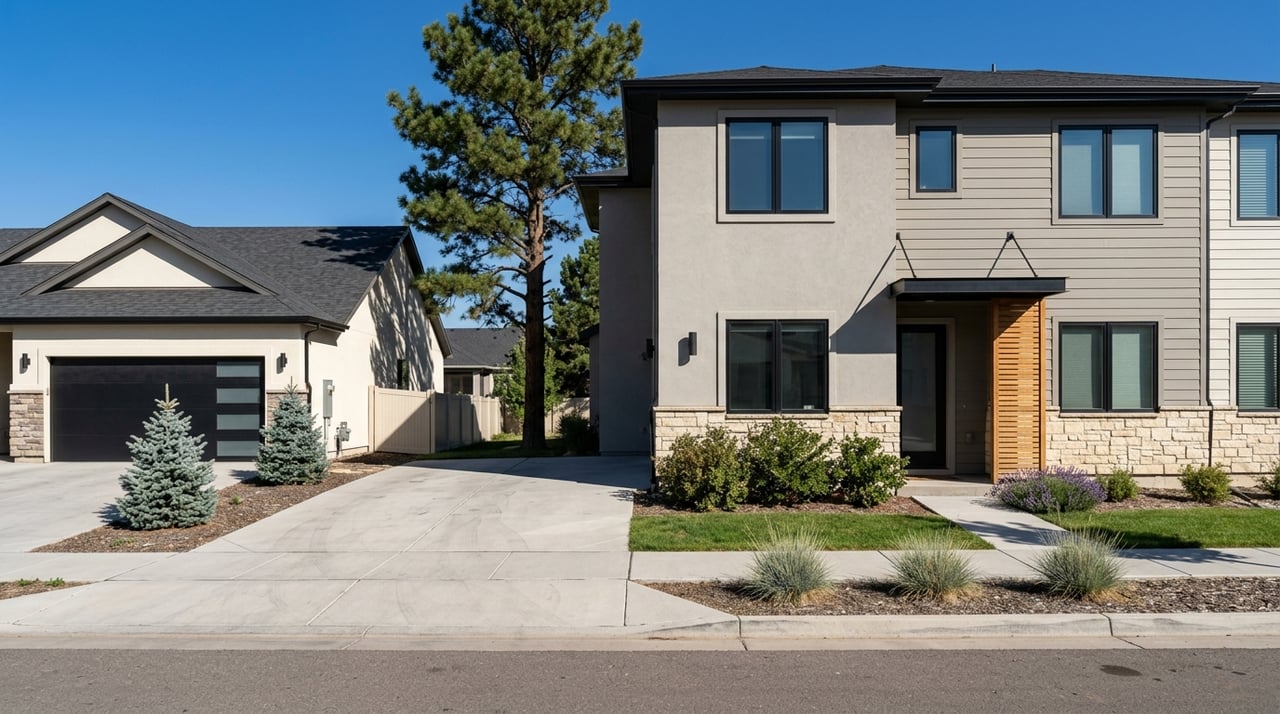
Colorado Springs Single Family or Townhome: What Fits?
June 11, 2026
June 11, 2026
Trying to choose between a single-family home and a townhome in Colorado Springs? You are not alone. For many buyers, the decision comes down to a few big questions: how much space you want, how much maintenance you can take on, and how much control you want over the property. The good news is that each option can work well, depending on your budget and your goals. Let’s break down what matters most in Colorado Springs.
Colorado Springs is still a market where detached homes lead the way. The city’s 2025 housing factsheet says single-family detached homes make up 61% of housing units in the city, while single-family attached homes account for 8%. Countywide, detached homes make up 67% of units.
That means if you are shopping in Colorado Springs, you will likely see more detached-home options. Still, townhomes remain an important part of the market, especially for buyers looking for a lower entry price or less day-to-day upkeep.
One of the biggest reasons buyers compare single-family homes and townhomes is cost. In El Paso County’s March 2026 market report, the year-to-date median sales price was $475,000 for single-family homes and $312,000 for townhouse and condo properties.
That price gap is significant. If your goal is to enter the market with a lower purchase price, attached housing often gives you a more affordable path, even though the data groups townhomes and condos together as one category.
The same local report shows single-family homes had 65 days on market, while townhouse and condo properties had 85 days on market. Inventory was also much higher for single-family homes at 2,565 properties, compared with 604 in the attached category.
In simple terms, attached homes in this report were generally cheaper and moved a little more slowly. That does not make one option better than the other, but it does help set expectations as you plan your search.
For many buyers, the real difference starts after closing. With a single-family home, you usually take on more direct responsibility for the yard, exterior upkeep, snow removal, and ongoing repairs.
With a townhome, some of that work may be handled by the homeowners association. According to Colorado HOA guidance, associations are generally responsible for common elements and owners are responsible for the unit itself, unless the declaration says otherwise. That last part matters a lot, because each community can define responsibilities differently.
HOA dues are not just a fee. They are really a package of services and shared costs. Colorado’s HOA guidance notes that assessments can fund maintenance, landscaping, insurance, and other operating expenses, and special assessments may be used for major repairs or reserve funding.
That means a higher monthly HOA payment may include real value if it covers expensive items you would otherwise pay for on your own. On the other hand, a lower HOA payment may mean you take on more of the actual upkeep.
Local communities make this easier to understand. The Greens at Kissing Camels says its association provides lawn care, irrigation, roof inspection, exterior repair, snow removal, gutter cleaning, exterior painting, and some insurance coverage.
Camels Ridge takes a more limited approach. In that community, owners are responsible for many exterior and landscape items not specifically assigned to the association, including non-turf plantings and additions like patios, decks, fences, and walls.
The lesson is simple: do not assume all townhomes offer the same low-maintenance lifestyle. The governing documents and HOA responsibilities matter more than the property label.
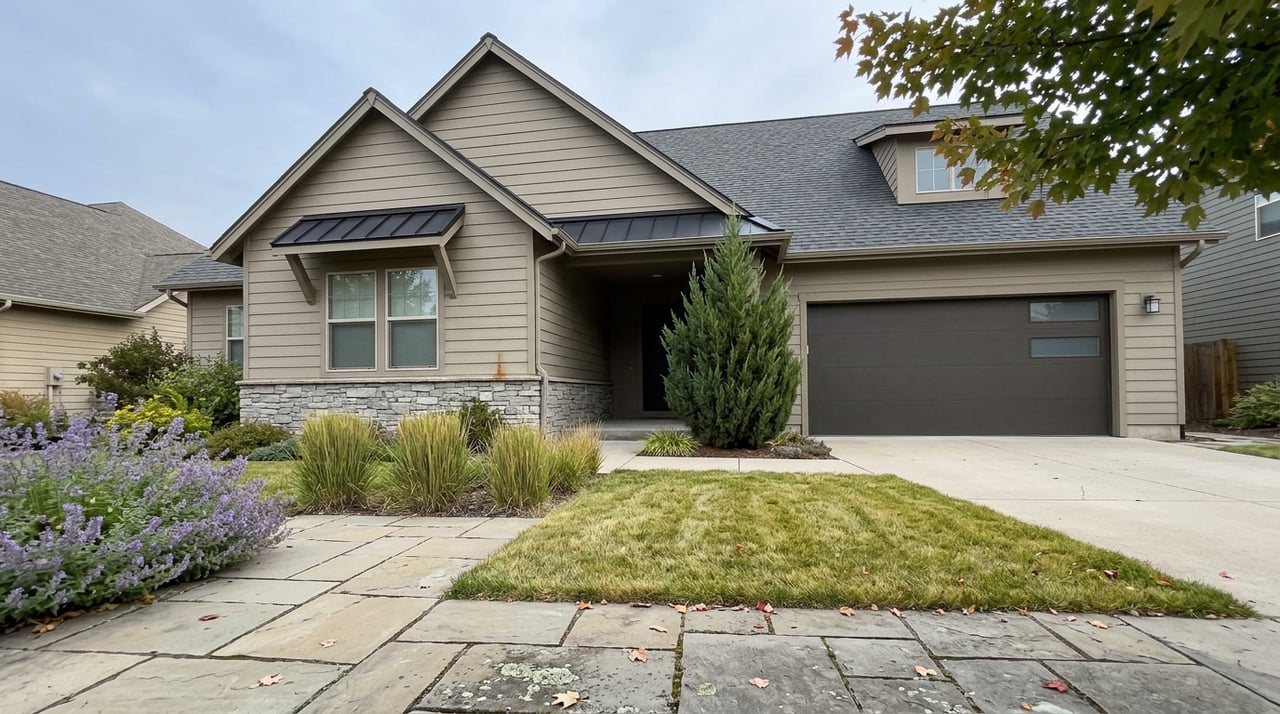
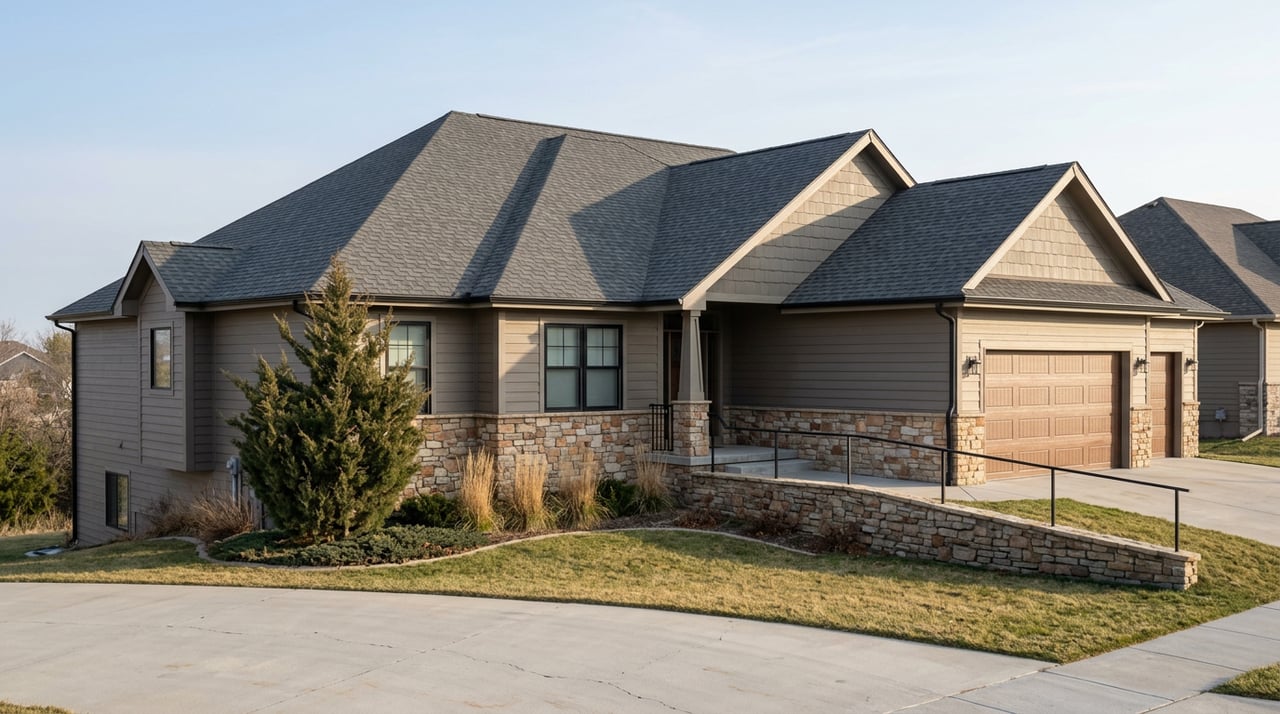
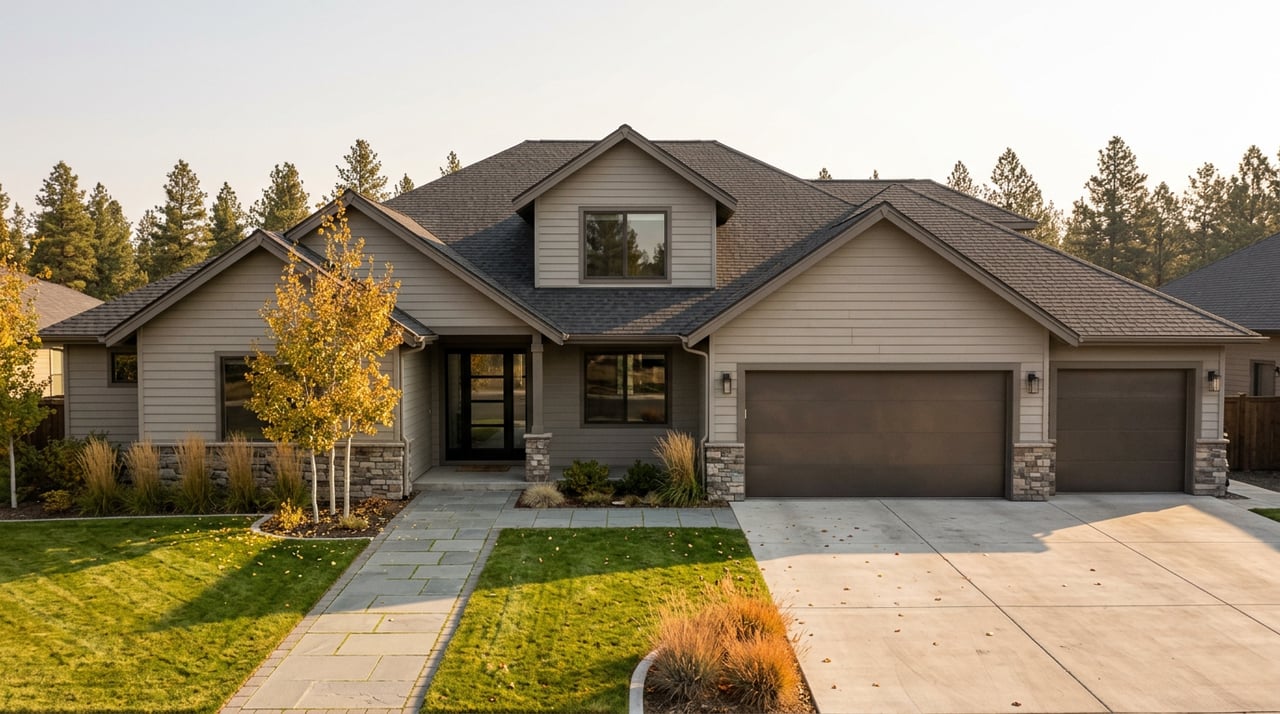
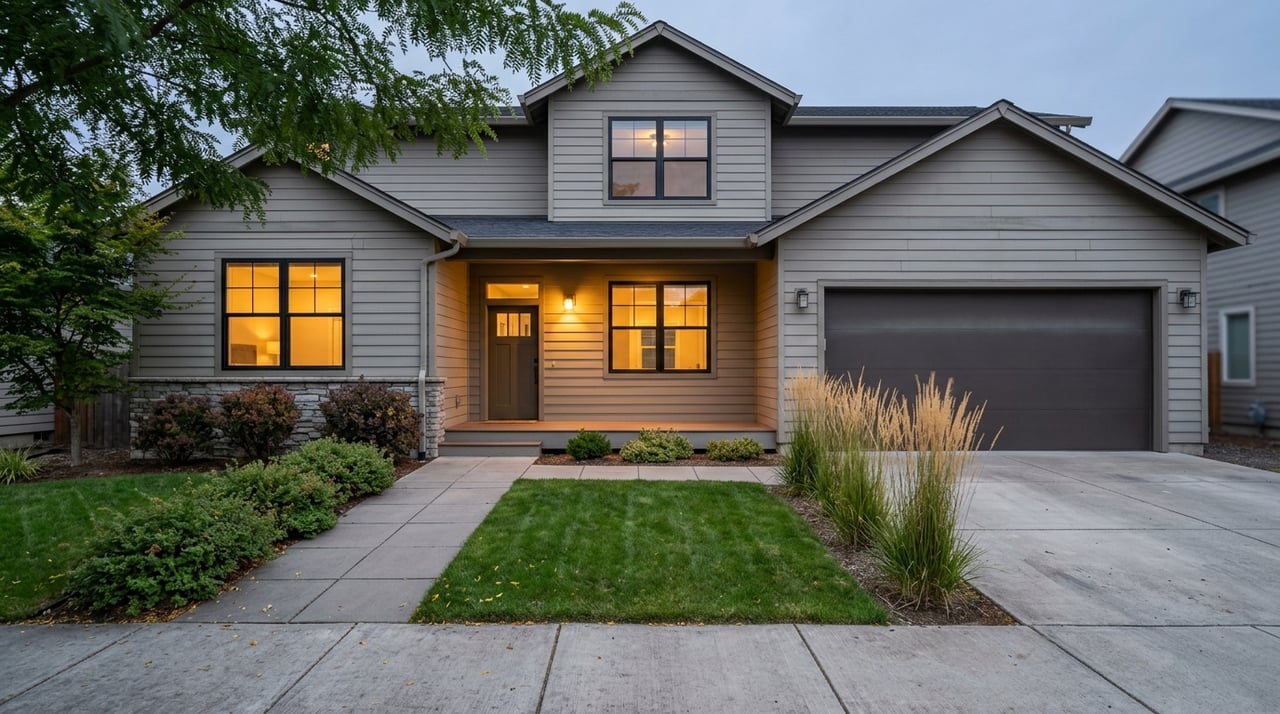
If privacy and yard control matter to you, single-family homes usually have the edge. Detached homes often offer larger lots, fenced yards, and more freedom to shape your outdoor space.
A current Colorado Springs detached-home listing at 1515 Parkway Drive sits on a 12,300-square-foot lot with a fenced backyard, covered patio, gazebo, dog run, and shed. That kind of setup is hard to replicate in a typical attached-home community.
By comparison, Woodbridge Townhomes describes shared outdoor spaces, an open design, and no perimeter fencing. For some buyers, that works perfectly well. For others, especially those who want room for pets, gardening, or a more private outdoor setup, a detached home may be a better fit.
Another important difference is how much future flexibility you want. Detached homes usually offer more room for customization, both physically and legally.
In Colorado Springs, the city’s ADU ordinance allows an accessory dwelling unit on property with a single-family detached dwelling. That can matter if you are thinking about multigenerational living, future guest space, or potential long-term income options.
The city also makes clear that it does not enforce HOA covenants or restrictions. That means if a property is in an HOA, the association’s governing documents still play a major role in what you can and cannot do.
Colorado buyers often ask about low-water landscaping, and for good reason. Colorado HOA law says associations may not ban xeriscape or drought-tolerant landscaping on property the owner is responsible for, though they may still regulate design and aesthetic details.
If outdoor changes are important to you, read the rules carefully. A single-family home may give you more options, but even then, HOA restrictions can still apply if the home is in a covenant-controlled community.
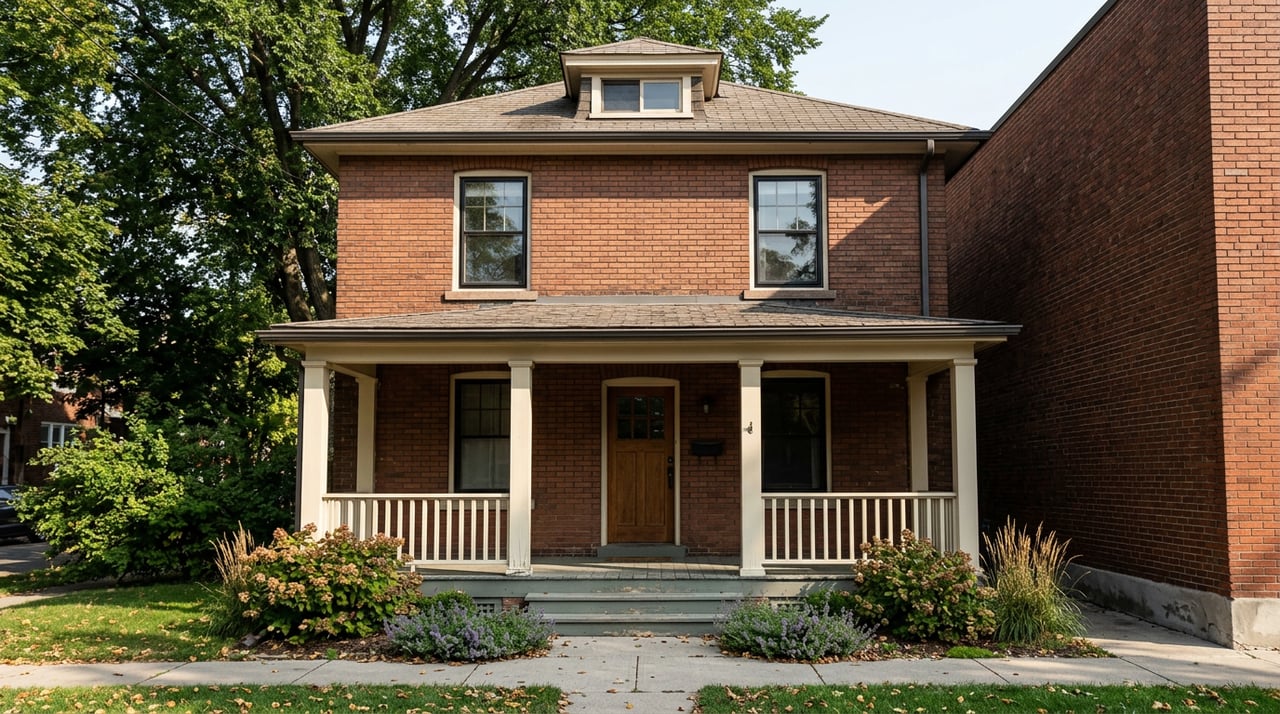
Townhomes are often a strong option for first-time buyers, budget-conscious buyers, and people who want less routine maintenance. If exterior work, snow removal, and landscaping are included, that can simplify daily life in a very real way.
Local listings show how different those packages can be. One Colorado Springs townhome listing at 1951 N Academy Boulevard had HOA dues of $418 per month, including common utilities, insurance, lawn care, maintenance of grounds and structure, management, sewer, snow removal, trash removal, and water.
Another local townhome listing showed dues of $115 per month, with maintenance grounds and snow removal only. Those examples show why it is so important to look past the monthly fee and understand what it actually buys you.
Whether you lean toward a single-family home or a townhome, the right questions can save you stress later. In Colorado Springs, this is especially true when an HOA is involved.
Here are a few smart questions to ask during your home search:
These questions can help you compare total ownership experience, not just list price.
If your top priorities are privacy, yard space, customization, and long-term flexibility, a single-family home will often be the better fit in Colorado Springs. You may pay more up front, but you usually gain more control over the property.
If your priorities are affordability, convenience, and reduced day-to-day maintenance, a townhome may make more sense. The lower price point can open the door to homeownership, and the HOA may take several routine tasks off your plate.
There is no one-size-fits-all answer here. The right move depends on your budget, your comfort with upkeep, and how much independence you want in the way you live and maintain your home.
If you want help comparing homes, HOA documents, and long-term fit in Colorado Springs, Harrison McWilliams offers hands-on, single-agent guidance to help you make a confident move.
Stay up to date on the latest real estate trends.
To always be authentic with my clients, team, and partners. Contact me today!