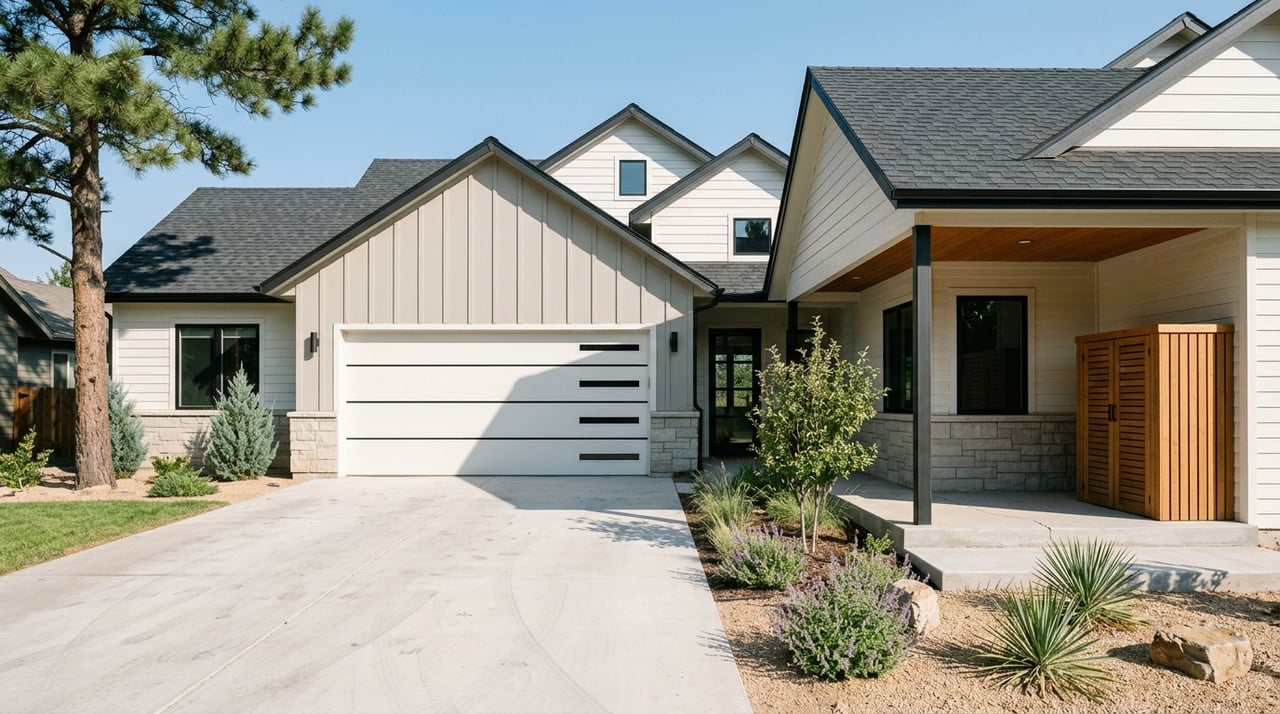
Outdoor Living In Colorado Springs: Everyday Access To Nature
June 4, 2026
June 4, 2026
If you picture Colorado Springs as a place for big weekend adventures, you are only seeing part of the story. What makes this city stand out is how often nature shows up in ordinary life, whether that means a quick walk after work, a bike ride that doubles as transportation, or a nearby open space for a morning trail run. If you are thinking about buying or selling here, it helps to understand how outdoor access shapes the way people live every day. Let’s dive in.
Colorado Springs is not a city where parks sit on the sidelines. According to the city’s 2025 Parks, Recreation and Cultural Services report, the system includes 18,675 acres of park land, 326 miles of trails, and more than 22.5 million visits in 2025. The city also cares for about 12,000 acres of open space, while TOPS has helped acquire, protect, or preserve more than 7,500 acres of open space and 67 parks since 1997.
Those numbers matter because they point to something practical. Outdoor access here is not limited to a few destination spots. It is woven into neighborhoods, daily routines, and the way many residents use their free time.
Colorado Springs also offers a climate that supports regular time outside through much of the year. Official state travel material describes the city as a high-elevation destination with more than 300 days of blue skies, and NOAA climate normals show an annual mean temperature of 50.5 degrees, about 15.91 inches of precipitation, and 32.5 inches of snowfall. In real-life terms, that means plenty of days for walking, biking, and patio time, along with enough winter weather to make storage and weather-ready home features especially useful.
One of the biggest reasons outdoor living feels so accessible in Colorado Springs is the variety of trail types. The city’s urban trail system is designed as an off-street transportation network for non-motorized use, with more than 100 miles in place and another 100-plus miles planned. That makes trails relevant not only for recreation, but also for everyday movement.
Urban trails are shared by joggers, bicyclists, walkers, equestrians, roller bladers, and other non-motorized users where allowed. The city encourages users to stay right, pass left, yield to horses and uphill traffic, keep dogs leashed, and pack out waste. That practical, shared-use setup says a lot about local life: these routes are meant to be used often, not admired from a distance.
There is also an important difference between urban trails and park or open-space trails. The city notes that natural-surface park trails are often narrower and are generally used by hikers, mountain bikers, walkers, and equestrians. For many buyers, that mix is part of the appeal, because you can have a paved route for a weekday outing and a more rugged foothills trail for the weekend.
Colorado Springs gives you a wide range of outdoor experiences, and that variety is part of what makes the lifestyle so appealing. Some places are easy to work into a short outing, while others feel more like a half-day plan. Knowing the difference helps you better understand what “outdoor living” really means here.
Garden of the Gods is one of the clearest examples of everyday outdoor access. It is a 1,341.3-acre city-owned regional park with free entry, a visitor and nature center, and both paved and unpaved routes for hiking, biking, and horseback riding. The South Garden parking area alone provides access to about 5 miles of trails, and the park roads include paved bike lanes.
That mix makes Garden of the Gods flexible. You can go for a casual walk, a scenic ride, or a more active outing without needing a major time commitment. For many residents, that kind of low-friction access is a big part of the city’s appeal.
North Cheyenne Cañon offers a different kind of experience. The city describes it as a mountain setting close to town, with changing elevations and no cell service in the canyon. Trail options range from the roughly 4-mile Columbine Trail to the Daniels Pass system, which adds nearly 7 miles of trail.
This is the kind of place that reminds you outdoor access here can be both convenient and rugged. It is close enough to fit into normal life, but it still requires more planning than a paved urban trail. That balance is part of what makes Colorado Springs distinct.
Red Rock Canyon Open Space works well for a wide range of outdoor routines. The city says it includes dirt trails for pedestrians, bikes, horses, and leashed dogs, plus an off-leash dog area, a bike-only area, and connections to Section 16 and the Intemann Trail.
For households with different interests, that versatility matters. One person might want a quick trail run, another may want a dog walk, and someone else may want bike access. Spaces like this help explain why outdoor living here often feels practical, not performative.
Outdoor living in Colorado Springs is not limited to the foothills. The Legacy Loop is an approximately 10-mile trail, park, and recreation loop defined by the Pikes Peak Greenway, Shooks Run, and the Rock Island Corridor. It ties access to parks and open space directly into the downtown area.
That matters if you value walkability, bike access, or a more connected daily routine. It shows that nature access in Colorado Springs is not just about getting out of town. In many cases, it is already part of the city around you.
The Manitou Incline is not a casual daily amenity, but it says something important about the region’s outdoor identity. This one-mile hike gains about 2,000 feet in elevation and requires free reservations and a waiver. It is better understood as a fitness challenge than a typical neighborhood outing.
Even so, its popularity reflects the broader culture. Colorado Springs supports everything from short paved walks to intense elevation-based training. That range is a major part of the local lifestyle.
In Colorado Springs, outdoor living is not only about where you go. It is also about how your home supports the routine. With frequent trail use, changing weather, and seasonal gear, practical home features often matter more than flashy extras.
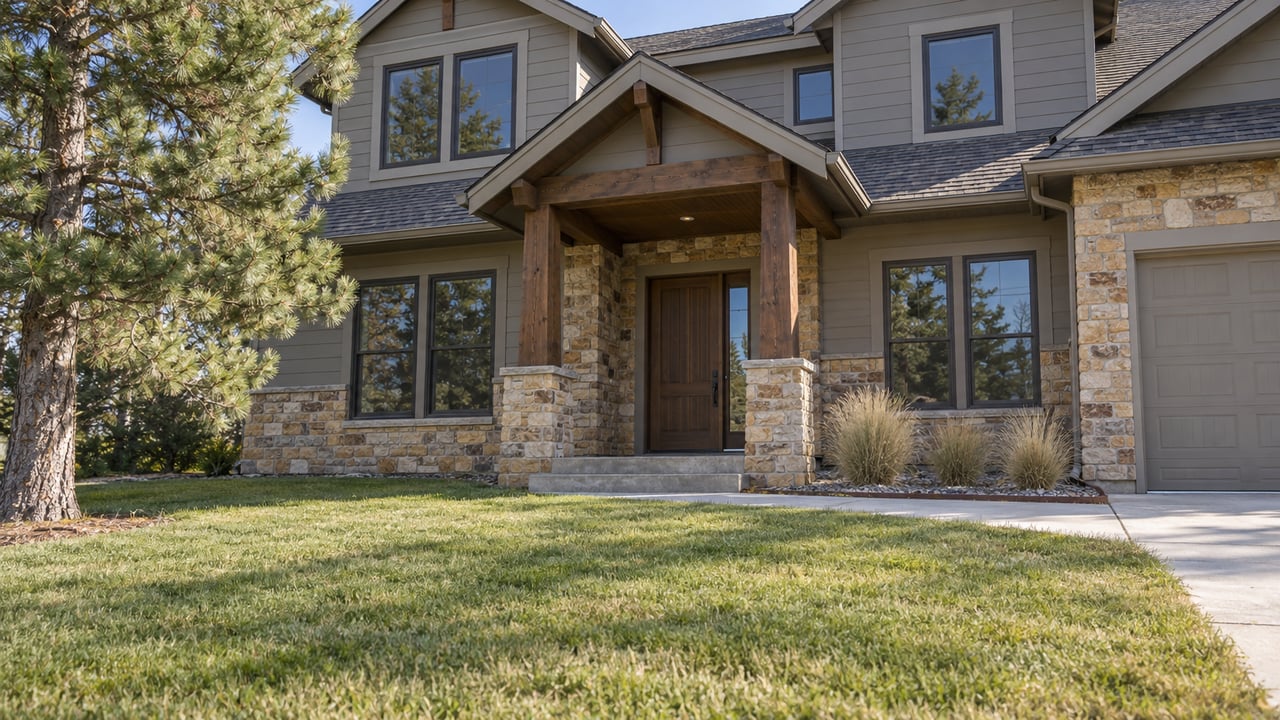
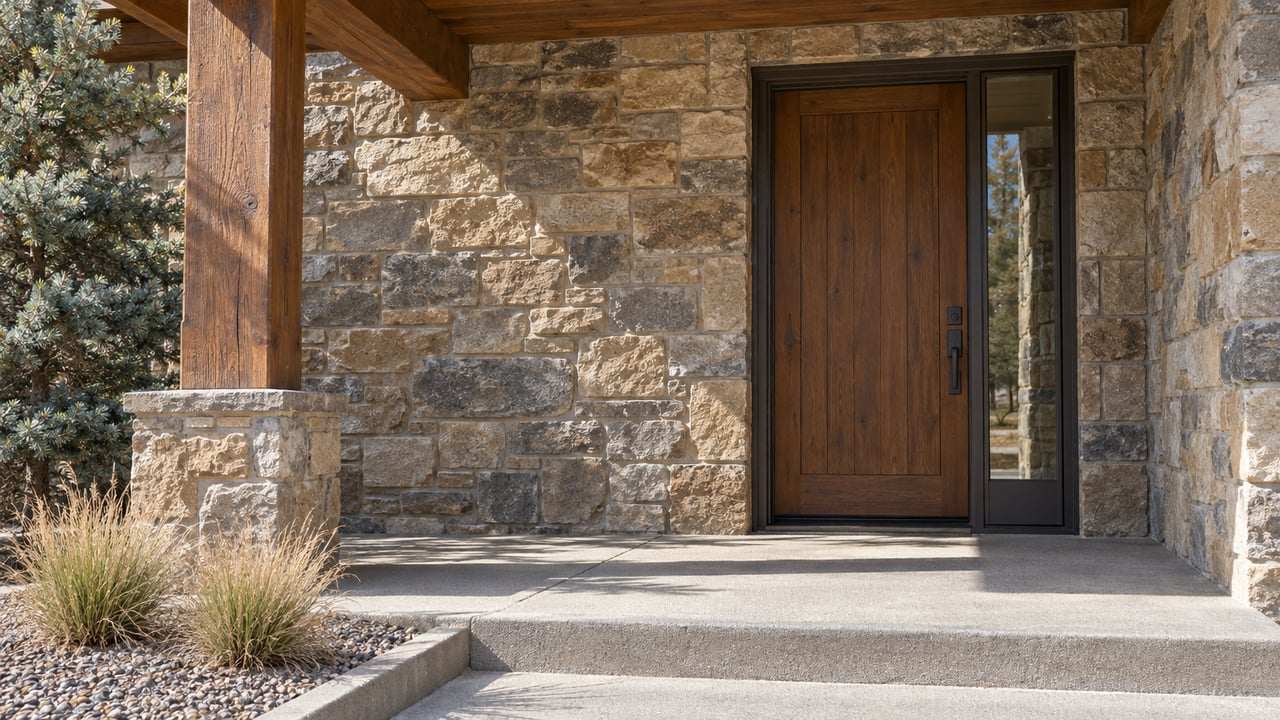
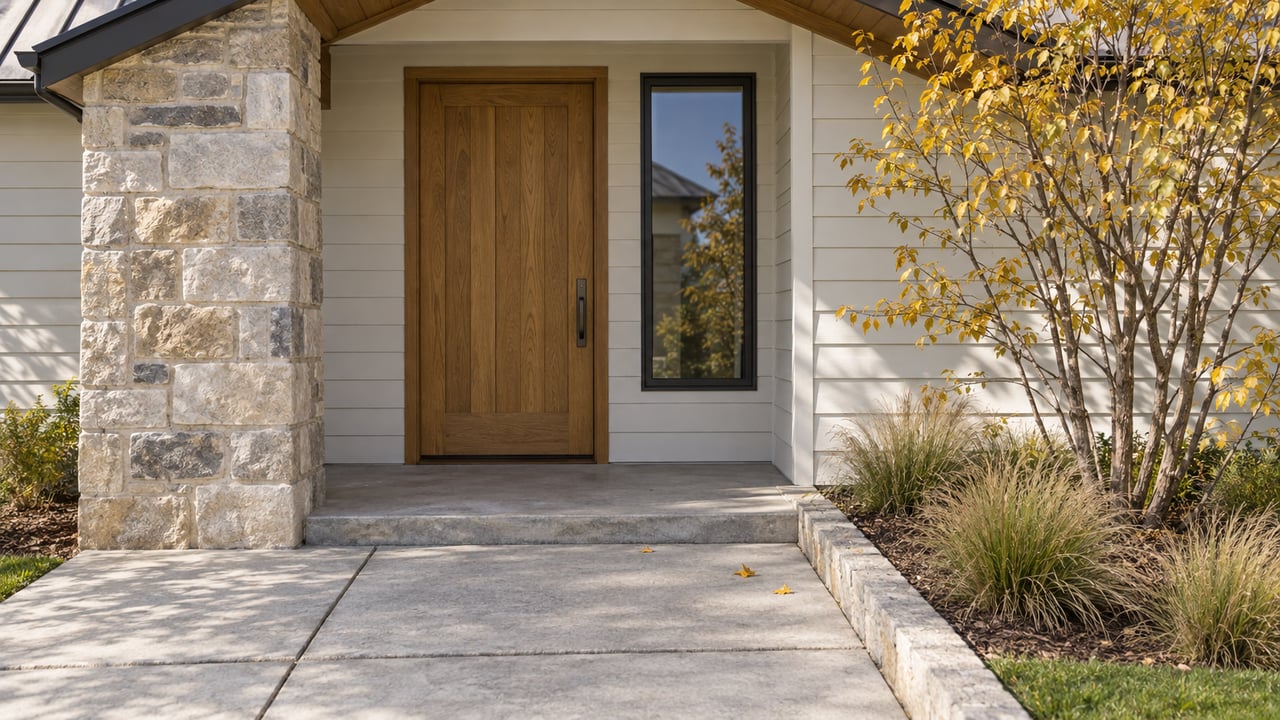
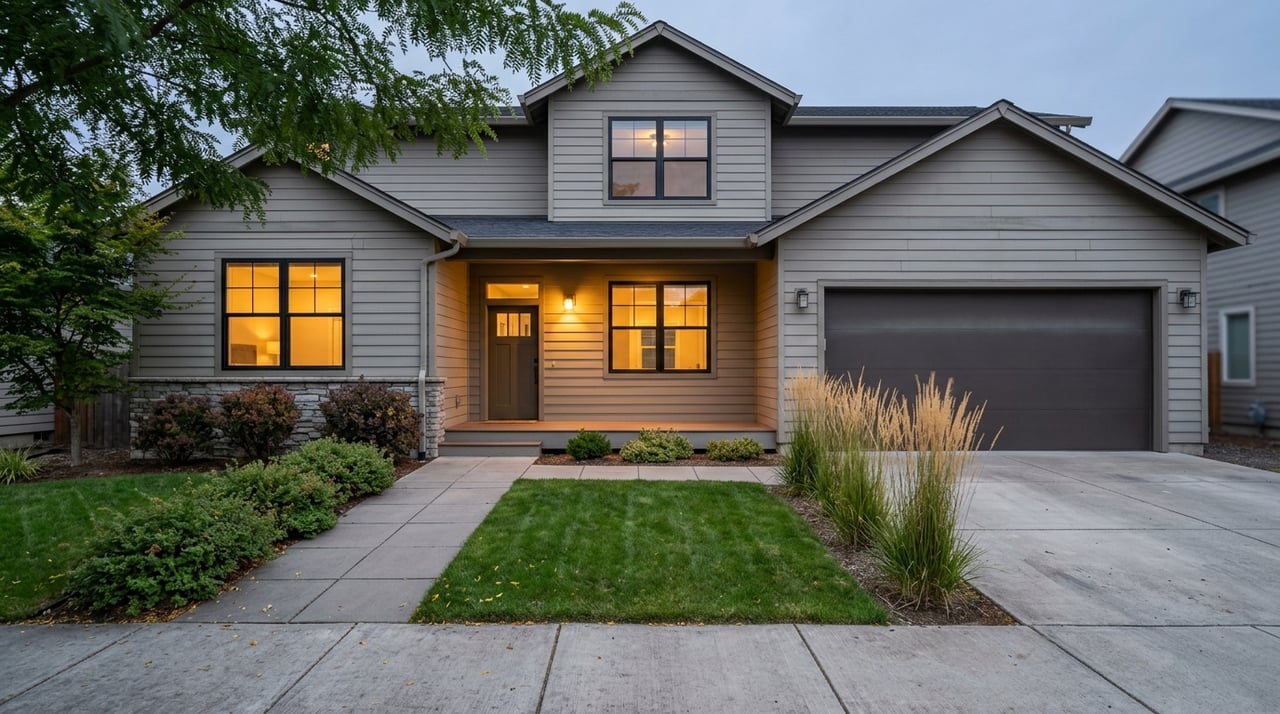
A mudroom or simple entry drop zone can make daily life easier. Entry areas often become the place where shoes, coats, keys, bags, and dog gear collect, and they tend to see a lot of water and dirt. Durable flooring near the entry can also make a noticeable difference, especially during snowier or muddy stretches.
Secure storage matters too. Bikes, hiking gear, seasonal clothing, and dog supplies can take up space quickly, so buyers often value garages, organized storage areas, or flexible utility space. In a city where trail access is part of normal life, these features support the lifestyle in a very real way.
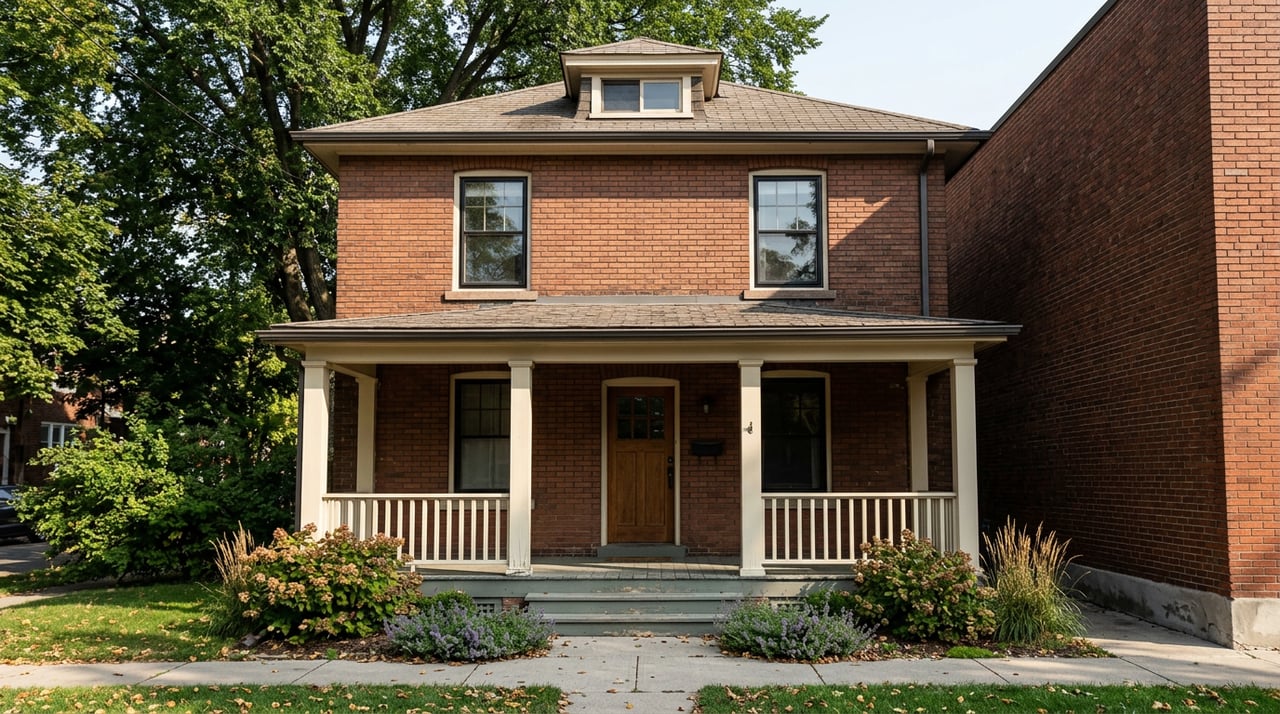
Covered outdoor space is another practical plus. A covered patio or porch can protect against sun, rain, and snow while extending the usable feel of your living space for meals, quiet mornings, or casual entertaining. In a climate with four distinct seasons, that extra weather protection can make outdoor time more consistent.
If you are buying in Colorado Springs, it is worth looking beyond the house itself. Think about how a location supports the kind of day-to-day routine you want. For some buyers, proximity to a trail connection or open space may matter just as much as the size of the yard.
You may also want to compare the type of outdoor access nearby. A paved urban trail can be ideal for frequent walks, bike rides, or non-motorized commuting. A natural-surface trail system may be better if you want a more rugged foothills experience close to home.
It also helps to think through practical home details during your search. Entry flow, storage, garage function, outdoor seating space, and weather protection can all affect how easy it is to enjoy the lifestyle the area offers. In a place like Colorado Springs, those everyday features can shape long-term satisfaction.
If you are selling, outdoor living is often best presented through usefulness, not hype. Instead of speaking only in broad lifestyle terms, it helps to show how your home handles real day-to-day needs. Buyers are often trying to imagine where muddy shoes go, where bikes are stored, and how outdoor gear fits into the home.
That means features like a functional entry, durable flooring, organized garage space, and a covered patio can be worth emphasizing. If your property also offers practical access to a nearby trail, park, or open-space route, that can help tell a more complete story. The goal is to connect the home to the way people actually live in Colorado Springs.
This is also where thoughtful marketing matters. Clear photography, strong floorplan presentation, and a strategy that frames both the home and its surrounding lifestyle can help buyers see the full value more quickly. For sellers in a market shaped by outdoor routines, that kind of positioning can make a meaningful difference.
One of the best things about Colorado Springs is the range of outdoor options, but not every space works the same way. Some trails are paved and easy to use for a quick outing. Others are narrow, natural-surface routes that call for a bit more planning.
The city also notes practical details that matter. In some areas, like North Cheyenne Cañon, changing elevations and limited cell service are part of the experience. The city also reminds users to stay on designated trails, follow posted rules, leash pets where required, pack out trash and pet waste, and check official maps before heading out.
Seasonality matters too. Colorado Springs supports outdoor activity through much of the year, but snow, cold mornings, and seasonal restroom closures from October through May can affect how you plan. That does not reduce the appeal. It simply makes the lifestyle more real, and for many residents, more rewarding.
What makes outdoor living in Colorado Springs special is not just the scenery. It is the fact that big and small outdoor experiences are both easy to find. You can take on a major challenge, enjoy a scenic paved route, walk a dog at open space, or fit in a quick urban trail loop between other parts of your day.
That kind of access can shape how you choose a home and how you market one. If you are moving within the Front Range or relocating to Colorado Springs, it helps to have guidance from someone who understands how local lifestyle, housing choices, and everyday routines connect. If you are planning a move, Harrison McWilliams can help you navigate Colorado Springs with clear, hands-on guidance tailored to the way you want to live.
Stay up to date on the latest real estate trends.
To always be authentic with my clients, team, and partners. Contact me today!