Castle Rock’s Newer Communities Versus Established Neighborhoods
July 9, 2026
July 9, 2026
If you are trying to choose between a newer community and an established neighborhood in Castle Rock, you are not alone. It is one of the most common decisions buyers face here, especially because the town offers both brand-new master-planned communities and older areas with decades of history and mature landscaping. The good news is that neither option is automatically better. The right fit depends on how you want to live, what you want to maintain, and how you want to budget. Let’s dive in.
Castle Rock has a wide range of housing, from homes that are more than 100 years old near the town center to new construction spread across more than 150 mapped neighborhoods. The town also reports 50 parks, more than 87 miles of trails, over 6,000 acres of open space, 72 HOAs serving 148 neighborhoods, and 38 known metro districts. That variety is a big reason this comparison matters.
In simple terms, newer communities often focus on convenience, shared amenities, and a consistent look. Established neighborhoods more often offer mature yards, more architectural variety, and homes that have evolved over time through updates and renovations.
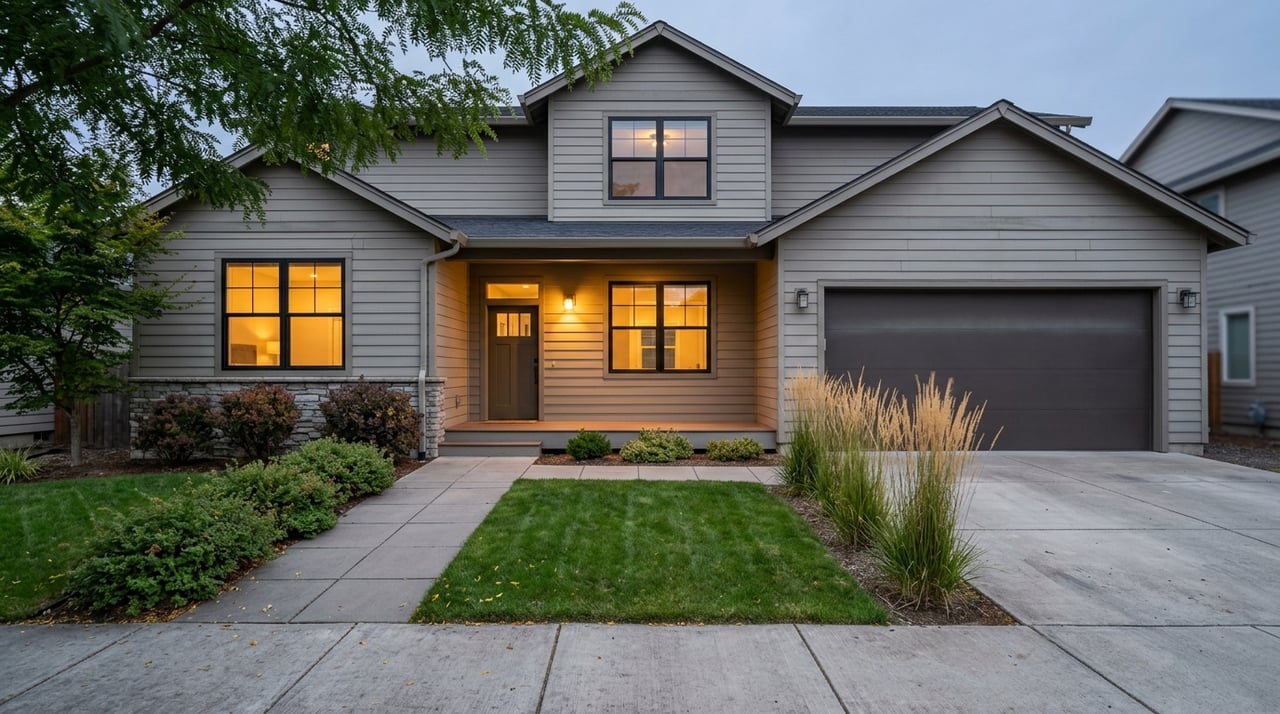
In Castle Rock, newer master-planned communities often combine recent construction with amenity packages and coordinated design. Communities like Terrain, Macanta, and Crystal Valley show that pattern clearly. Instead of selling just the home, these neighborhoods often present a full lifestyle package.
That can appeal to you if you want a move-in-ready feel and easy access to trails, pools, clubhouses, or fitness spaces. It can also simplify your search if you like more predictable layouts, finishes, and neighborhood design.
Terrain highlights how newer communities often bundle amenities into daily life. The community lists two swimming pools, a clubhouse, a dog park, trails, and resident-only pool access. Listing examples also show homes built in 2016 and 2017 on lots around 5,489 to 6,708 square feet.
Some listings in Terrain note HOA dues and amenities that include a clubhouse, fitness center, park, playground, pool, and trails. That gives you a good example of what many buyers mean when they say they want a neighborhood with built-in amenities.
Macanta leans even more into the master-planned model. The community describes 1,000 acres of open space, 13 miles of custom mountain bike trails, a 450-acre regional park, and The Spoke, which includes a 1,500-square-foot fitness facility, co-working space, and pool.
Current listing examples show homes built in 2022 and 2024 on lots from about 5,576 to 9,670 square feet. Other community information describes single-family homes from about 3,769 to 5,433 square feet with 4 to 6 bedrooms, including some oversized lots backing to open space.
Crystal Valley is another strong example of newer Castle Rock development. Community information describes ranch and two-story homes, the Pinnacle Recreation Center, miles of trails, and 600 acres of open space and wildlife areas.
The recreation center is resident-only and includes youth and family programs, fitness classes, summer pool access, and YMCA-operated programs. If you want neighborhood amenities to play a larger role in your routine, this is the kind of setup worth watching closely.
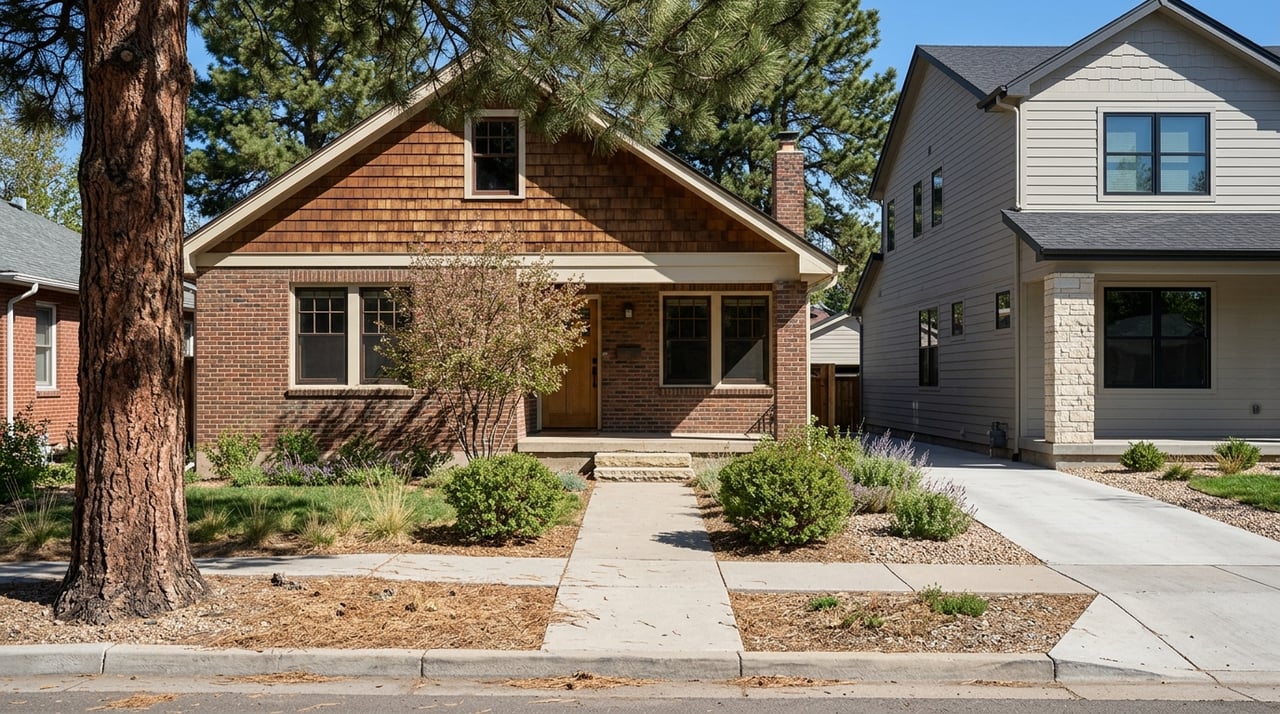
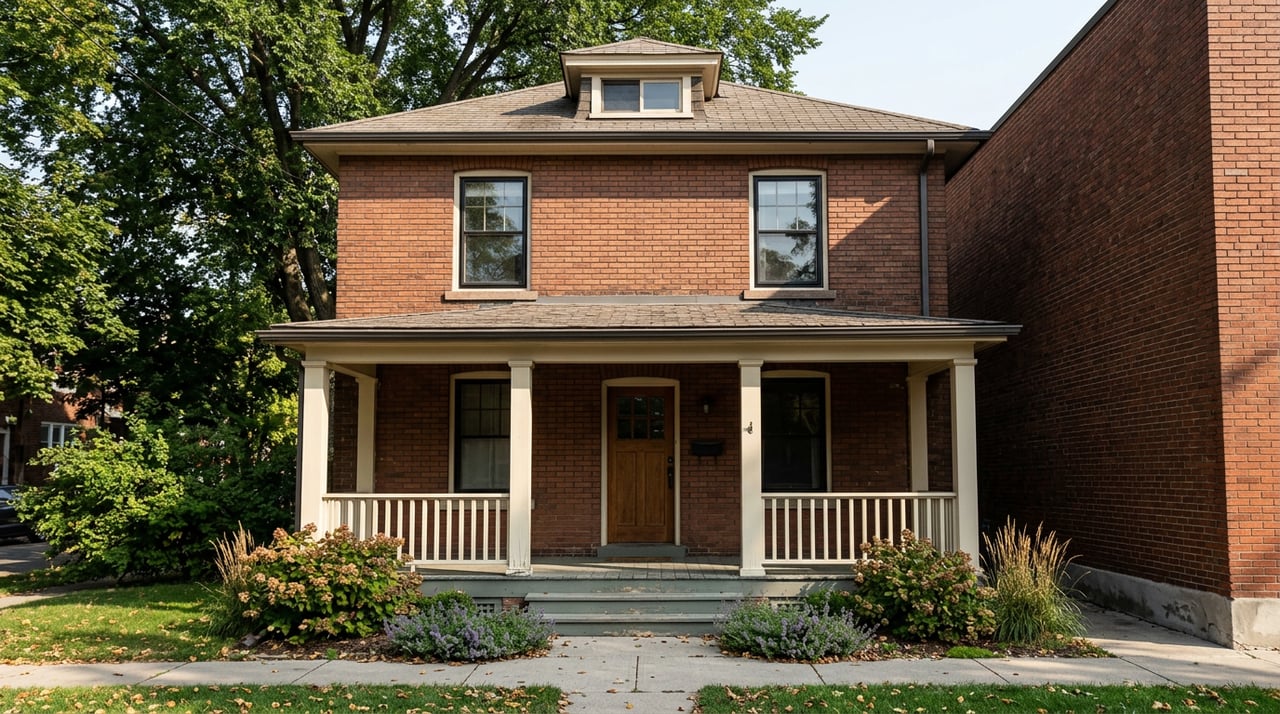
Established neighborhoods in Castle Rock often tell a different story. Instead of a uniform builder palette, you are more likely to find a mix of original homes, remodeled properties, and varied architectural styles. You may also see more mature trees, fenced yards, and outdoor spaces that have had years to grow in.
Founders Village and Castlewood Ranch are useful examples. They help show how older neighborhoods can offer character and flexibility, even if they do not center the same resort-style amenity package as newer communities.
Founders Village was annexed and zoned in 1983, and its metropolitan district was organized in 1984. The district says it maintains streetscaping, irrigation systems, fencing, trailheads, and some recreation facilities, while HOA matters like trash, pool, clubhouse, events, and assessments go through the master association.
Current listing examples show homes built in 1986, 1993, and 2000 on lots around 5,924 to 6,055 square feet. Features in those listings include things like finished basements, vaulted ceilings, wood-burning fireplaces, and community pool access on some homes.
Castlewood Ranch often shows the appeal of an established neighborhood with larger, more mature lots. Current listing examples include quarter-acre and 0.32-acre parcels, mature trees, fenced backyards, tile roofs, and homes backing to greenbelt or open space.
The neighborhood is also known for an extensive trail system and mature landscaping. If your priority is more immediate yard character or a more private outdoor setup, neighborhoods like this may feel very different from a newer planned community.
The most helpful way to think about this choice is not newer versus older as a quality judgment. In Castle Rock, the better comparison is newer-home convenience and amenity density versus mature-neighborhood character and yard space.
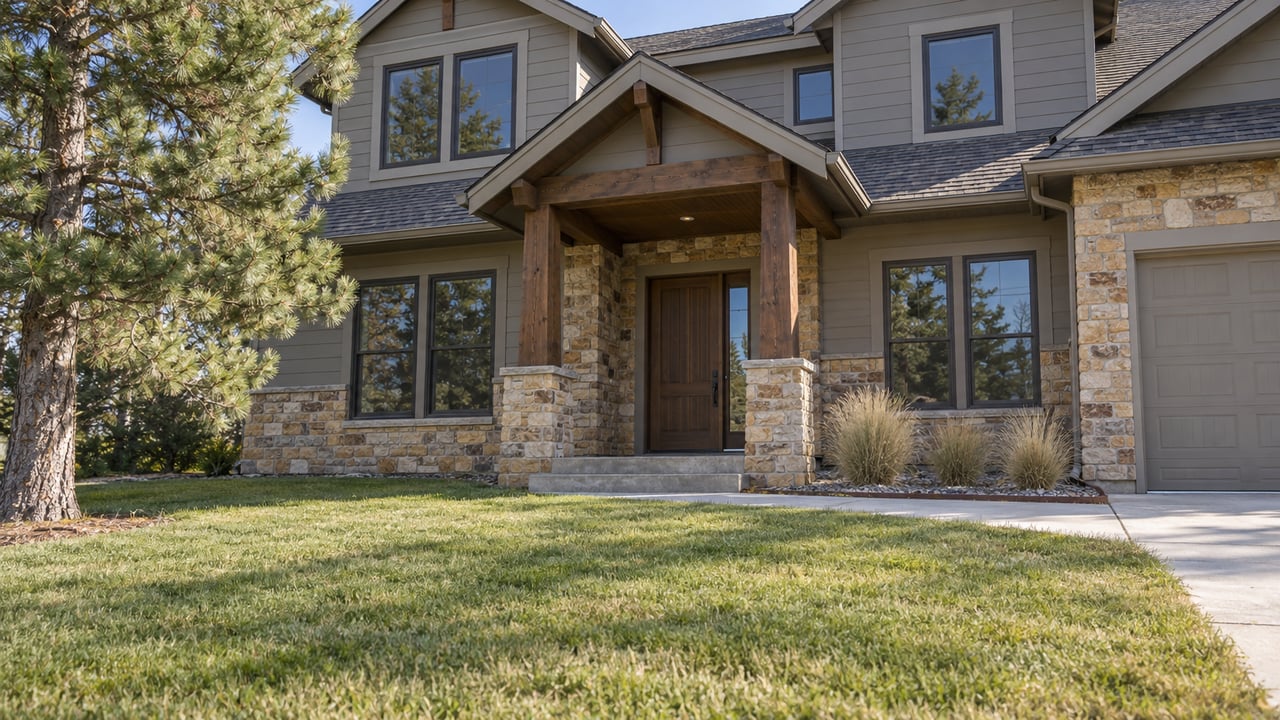
Newer communities often feature ranch or two-story floor plans, open layouts, large kitchens, finished basements, and flexible-use spaces. Because many homes were built within a shorter time frame, the overall look can feel more consistent from street to street.
Established neighborhoods usually bring more variation. You may find multi-level homes, early-2000s ranches, and updated homes from the 1980s and 1990s, often with more individualized finishes and remodeling choices.
Newer homes can still have generous lots, but much of the outdoor appeal may come from preserved open space and community amenities instead of a large private yard. In many newer areas, the neighborhood itself provides part of the outdoor experience.
Established neighborhoods more often feature mature trees, fenced yards, and outdoor living spaces that feel more settled in. That difference can be especially noticeable if private yard space matters more to you than shared amenity access.
Castle Rock Water says all new residential landscaping must use Wi-Fi-enabled smart irrigation controllers and rain sensors. The town’s landscape rules also limit turf in new development.
That helps explain why newer neighborhoods often feel more water-wise and less lawn-heavy than older subdivisions. If you like a lower-turf look and more current irrigation standards, newer communities may align well with your preferences. If you want established greenery and a more traditional yard feel, older neighborhoods may be more appealing.
Newer communities are more likely to include pools, clubhouses, trails, playgrounds, and some common-area maintenance through HOA dues. In many cases, those features are a major part of the value proposition.
Castle Rock also notes that metro districts are separate taxing entities formed by developers to fund infrastructure and public improvements. The town says there are 38 known metro districts in Castle Rock, so it is important to understand both HOA dues and any metro-district costs when comparing neighborhoods.
While every home is different, age can affect what you may need to update over time. Newer homes are generally less likely to need near-term replacement of major systems, while established homes may be more likely to need future updates to items like roofs, windows, HVAC, paint, fencing, or landscaping.
That is not a rule for every property, but it is a practical lens to use as you compare options. A well-maintained older home may be a great fit, just as a newer home may still come with upkeep costs that deserve a close look.
List price is only part of the equation. If you are comparing a newer community with an established neighborhood, make sure you look at the full carrying cost.
That includes:
Castle Rock provides address-level property tax information, and the town also makes clear that metro-district taxes are separate from Town taxes. When you compare homes, this step can help you avoid surprises and make a cleaner apples-to-apples decision.
If you like builder-selected finishes, newer infrastructure, community pools, clubhouses, trails, and a more coordinated neighborhood feel, a newer Castle Rock community may check more of your boxes. That can be especially helpful if you want a home that feels turnkey and a neighborhood where amenities are part of everyday life.
If you prefer mature landscaping, more architectural variety, larger fenced yards, or a home with renovation potential, an established neighborhood may be the better match. These areas often offer more individual character and a different kind of outdoor experience.
The right answer comes down to your priorities. Some buyers want the ease and structure of a newer master-planned community. Others want the flexibility and personality that often come with an older neighborhood.
A good home search in Castle Rock usually starts by narrowing your lifestyle priorities before you narrow your list of homes. If you want help comparing community structure, fees, lot style, and long-term fit, working with a local agent who knows the area can save you time and sharpen your decision.
If you are weighing newer communities against established neighborhoods in Castle Rock, Harrison McWilliams can help you compare the real differences, understand the costs, and find the right fit for how you want to live.
Stay up to date on the latest real estate trends.
To always be authentic with my clients, team, and partners. Contact me today!