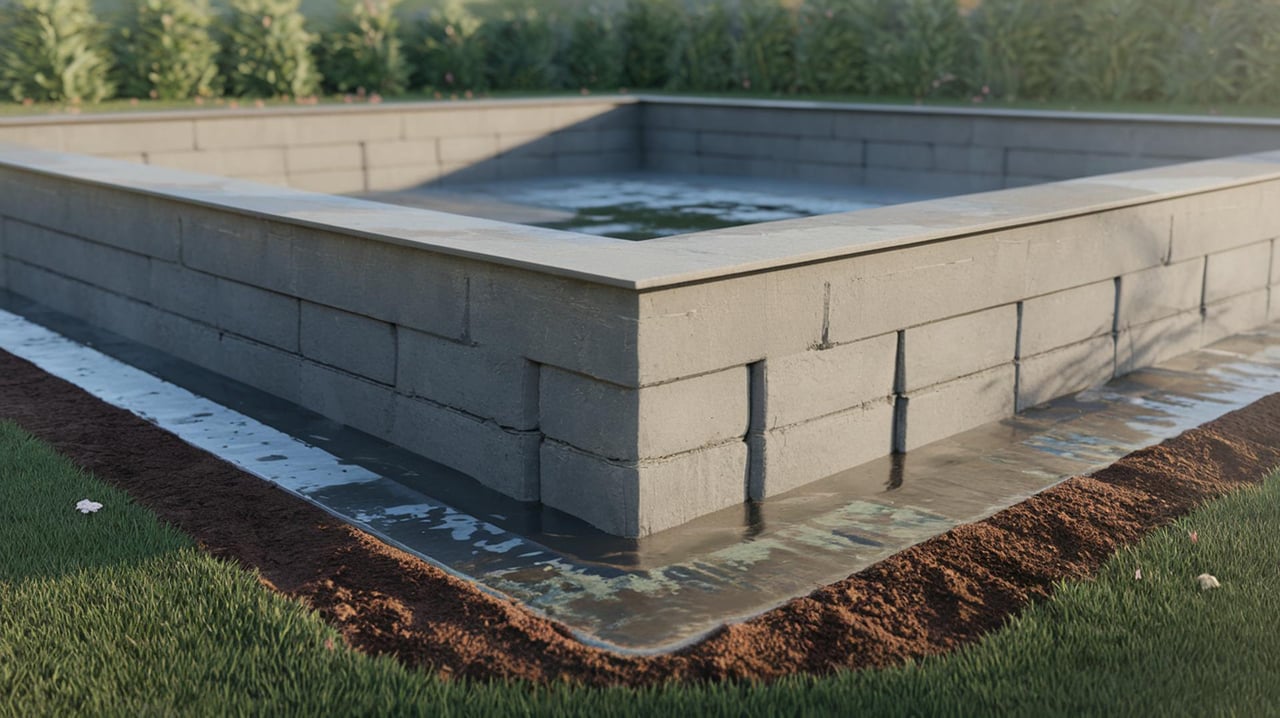
Foundation Maintenance Tips to Secure Your Home's Future
Real Estate March 11, 2025
Real Estate March 11, 2025
The foundation of a home is its most essential structural component, providing the stability and support necessary for the entire building. Ensuring the longevity and integrity of a foundation is crucial for maintaining the overall condition of the property. Foundation maintenance is a proactive approach that can prevent potential issues from escalating into significant problems. By understanding the key aspects of foundation care, homeowners can take steps to preserve their property's value and structural integrity. Let's explore expert tips on foundation maintenance that can help secure your home's future.
Regular inspections are a fundamental aspect of foundation maintenance. By routinely examining the foundation, homeowners can identify early signs of wear or damage before they become more serious. Look for visible cracks, uneven floors, or doors and windows that do not close properly. These can be indicators of foundation movement or settling. Engaging a professional to conduct a thorough inspection can provide a more comprehensive assessment and help identify potential issues that may not be immediately apparent.
Proper drainage is essential for maintaining a healthy foundation. Water accumulation around the foundation can lead to soil erosion and increased pressure on the foundation walls. To prevent these issues, ensure that gutters and downspouts are functioning correctly and directing water away from the foundation. Additionally, grading the landscape to slope away from the home can help manage water runoff and reduce the risk of water-related foundation problems.
Controlling moisture levels around the foundation is another critical factor in foundation maintenance. Excessive moisture can cause the soil to expand, while a lack of moisture can lead to soil contraction. Both scenarios can result in foundation movement. Installing a moisture barrier or using a soaker hose during dry periods can help maintain consistent soil moisture levels, minimizing the risk of foundation shifting.
Trees and large shrubs planted too close to the foundation can pose a risk due to their root systems. Roots can extend beneath the foundation, causing soil displacement and potential damage. To mitigate this risk, maintain a safe distance between large plants and the foundation. Regularly trimming trees and shrubs can also help manage their growth and prevent root intrusion.
Cracks in the foundation should be addressed promptly to prevent further damage. While small, hairline cracks are common and may not pose an immediate threat, larger cracks can indicate more significant issues. Sealing minor cracks with appropriate materials can prevent water infiltration and further deterioration. For larger cracks, consulting a foundation specialist is advisable to determine the underlying cause and appropriate repair solutions.
Temperature fluctuations can affect the soil around a foundation, leading to expansion and contraction that may impact the foundation's stability. Maintaining a consistent indoor temperature can help mitigate these effects. Insulating the basement or crawl space can also contribute to temperature regulation, reducing the likelihood of foundation movement due to thermal changes.
While regular self-inspections are valuable, professional assessments provide a more detailed evaluation of the foundation's condition. Engaging a structural engineer or foundation specialist can offer insights into potential issues and recommended maintenance practices. These experts can also identify early warning signs that may not be visible to the untrained eye, allowing for timely intervention and repair.
In cases where foundation issues are identified, timely repair and reinforcement are crucial. Various methods, such as underpinning or installing piers, can stabilize and strengthen the foundation. Addressing these issues promptly can prevent further damage and preserve the structural integrity of the home. Consulting with a foundation repair specialist can help determine the most appropriate solution for the specific situation.
Foundation maintenance should be an ongoing process, with attention given to seasonal changes that may impact the foundation. During periods of heavy rain, monitor drainage systems to ensure they are functioning correctly. In dry seasons, maintain soil moisture levels to prevent excessive contraction. Adapting maintenance practices to the changing seasons can help protect the foundation from environmental stressors.
Educating homeowners about the importance of foundation maintenance is essential for long-term property care. Understanding the factors that contribute to foundation issues and the steps that can be taken to prevent them empowers homeowners to take proactive measures. Providing resources and information on foundation care can foster a sense of responsibility and encourage regular maintenance practices.
Real estate agents can be valuable partners in foundation maintenance, offering insights and recommendations based on their experience in the housing market. They can connect homeowners with reputable foundation specialists and provide guidance on maintaining a property's value. Collaborating with a knowledgeable real estate agent can enhance a homeowner's understanding of foundation care and contribute to a well-maintained property.
Taking care of your home's foundation is crucial for maintaining its value and safety. By following expert tips on foundation maintenance, you can prevent costly repairs and ensure your home remains a safe haven for years to come. Whether you're a seasoned homeowner or new to the area, understanding these essentials can make all the difference. For personalized advice and more information, reach out to Harrison McWilliams today and secure your home's future with confidence.
Stay up to date on the latest real estate trends.





To always be authentic with my clients, team, and partners. Contact me today!