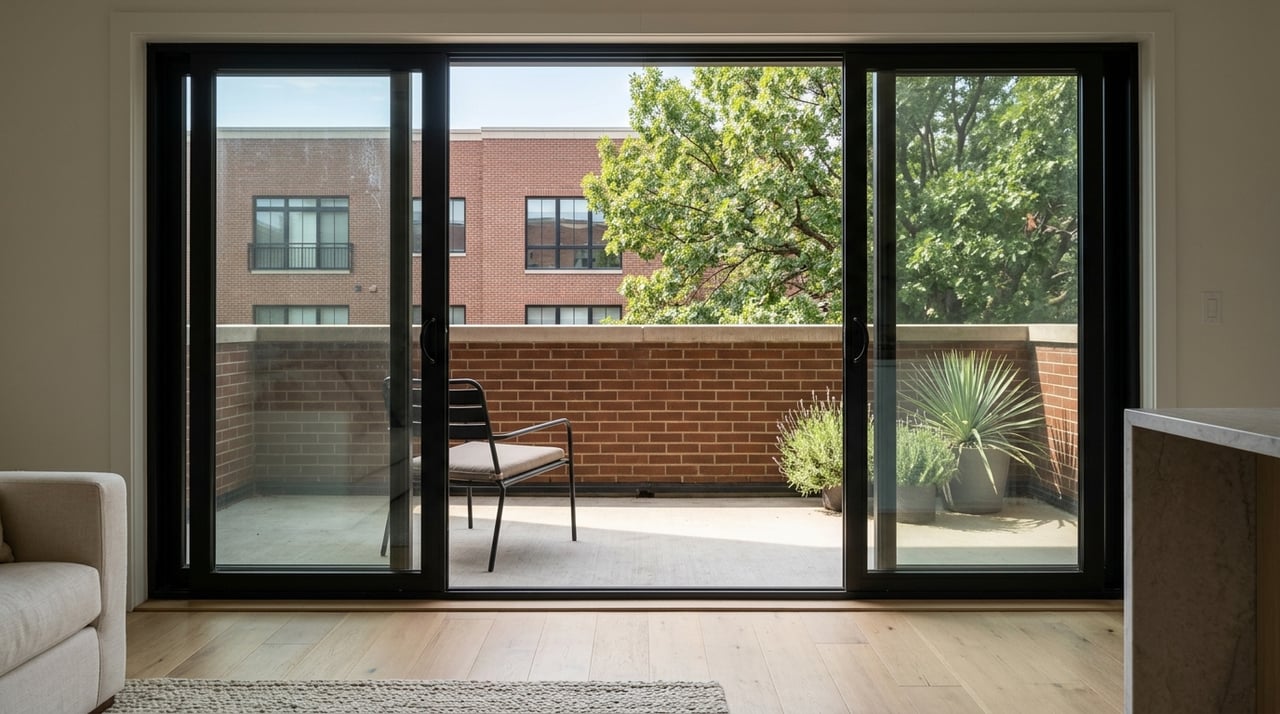
Denver Urban Lifestyle Guide for Newcomers
April 2, 2026
April 2, 2026
Moving to a new city can feel exciting and overwhelming at the same time, especially when you are trying to picture what everyday life will actually look like. If Denver is on your radar, the good news is that its urban lifestyle is easier to understand than it may seem at first glance. From transit-friendly districts to parks, trails, dining, and culture, this guide will help you see how Denver works day to day so you can decide what kind of city living fits you best. Let’s dive in.
One of the most helpful things to know as a newcomer is that Denver’s urban core does not revolve around just one downtown experience. Instead, the city functions more like a collection of connected, walkable districts, each with its own pace and personality.
According to Visit Denver’s downtown guide, the city center offers a strong mix of arts, culture, and history, and it is easy to explore on foot, by light rail, pedicab, or rental bike. That makes Denver especially appealing if you want variety without feeling like you have to drive everywhere for every activity.
For many newcomers, that is the biggest lifestyle shift. You are not choosing between city access and neighborhood character. In Denver, you can often have both.
If you are wondering whether car-light living is realistic, the qualified answer is yes, especially in the urban core and along the best-connected corridors. Denver’s transportation options make it possible to build a daily routine around walking, rail, bikes, and short rides.
Union Station is the center of that system. RTD identifies it as the region’s intermodal hub, connecting rail lines, buses, Amtrak, taxis, shuttles, and bike and pedestrian access. RTD also notes that the A Line reaches Denver International Airport from Union Station in about 37 minutes, which is a major plus if you travel often or expect out-of-town visitors.
Another key piece is 16th Street, which fully reopened on Oct. 4, 2025. The zero-fare 16th Street FreeRide runs seven days a week between Union Station and Civic Center Station, with service about every five minutes during peak periods. If you live or spend time downtown, that makes short trips simple.
Denver also supports short-distance, no-car travel in practical ways. The city says its bike program includes 480 miles of on-street bikeways and off-street trails, along with shared e-bikes and scooters designed for short trips. For someone new to the city, that adds flexibility right away.
If you choose a well-connected area, your routine can look a lot different from a car-dependent suburb. You might:
That kind of flexibility is one of the biggest reasons many buyers are drawn to central Denver neighborhoods.
If you are trying to figure out where Denver feels most urban, a few districts stand out clearly in the research. Each offers a different version of city living, so the right fit depends on your routine, preferences, and budget.
For the clearest classic urban experience, start with downtown and Union Station. This area puts you close to transit, office buildings, hotels, cultural venues, and everyday foot traffic. It is one of the easiest places to understand if you want convenience and connectivity first.
Downtown also gives you quick access to major landmarks and a central home base for exploring the rest of the city. If your goal is to live where Denver feels most connected, this is a strong starting point.
LoDo and nearby historic downtown areas offer a dense mix of restaurants, brewpubs, rooftop bars, shops, and nightlife. Larimer Square adds another layer, with Victorian buildings that now house boutiques and chef-driven restaurants.
This is often the part of Denver people picture when they think about an energetic night out. If you enjoy being close to dining and after-work activity, LoDo may feel like the most immediate version of urban Denver.
RiNo has a different rhythm. Former warehouses and factories now hold galleries, studios, jazz bars, restaurants, brewpubs, murals, and market-hall style dining and drinking spots.
For many newcomers, RiNo feels creative and active without looking polished in the same way as downtown or Cherry Creek. If you like an arts-forward setting and a more industrial urban backdrop, RiNo is worth a close look.
Cherry Creek sits about five minutes from downtown and offers a more refined urban experience. Visit Denver notes that Cherry Creek North and the shopping center together include more than 300 places to shop, dine, or unwind, along with 75 cafes and restaurants and a bike path connection to downtown and beyond.
If your ideal city routine includes walkable shopping, polished dining, and easy access to the core, Cherry Creek offers a strong balance. It can appeal to buyers who want city convenience with a slightly more curated feel.
The Highlands and LoHi area blends Victorian-era buildings, parks, gardens, independent shops, galleries, restaurants, and skyline views. LoHi is especially known for innovative restaurants and bars.
This part of Denver can feel neighborhood-oriented while still staying very connected to the city. If you want urban access but also enjoy a more residential rhythm, this area often stands out.
South Broadway offers one of the city’s more eclectic corridors. The area mixes taverns, vintage stores, bookstores, art galleries, international restaurants, live music venues, an arthouse theater, and nearly 100 antique shops on Antique Row.
If you prefer a less polished and more varied street scene, South Broadway may be a better fit than the more central districts. It is a good reminder that Denver’s urban identity comes in different forms.
A lot of newcomers are surprised by how much green space is built into city life here. Denver’s urban lifestyle is not only about restaurants, condos, and nightlife. It also includes easy access to parks, trails, and outdoor routines that fit into the middle of the week.
According to Denver Parks & Recreation, the system includes nearly 20,000 acres of urban and mountain parkland, more than 280 urban parks, 14,000 acres of mountain parks, and 30 recreation centers. That scale matters because it changes how you use the city.
For walking, running, biking, or active commuting, the city says it has more than 90 miles of off-street multi-use trails within city limits, with many routes following waterways and connecting neighborhoods to the core. Well-known loop options include Cheesman Park, City Park, Sloan’s Lake, and Washington Park.
This outdoor access helps Denver feel more livable over time. Your weekend does not have to revolve around leaving town to recharge. You can build small outdoor habits into your normal routine, whether that means a morning walk, an after-work run, or a bike ride between neighborhoods.
And when you want a bigger outing, Denver’s park identity extends beyond the urban core. The city describes Red Rocks Park as both a mountain park with trails and one of the world’s best-known outdoor music venues. That mix of recreation and culture is part of what makes Denver distinct.
Urban living works best when your options feel close at hand, not reserved for special occasions. Denver’s cultural and dining scene supports that kind of lifestyle, especially if you want your weeknights and weekends to feel full without needing a long plan.
The Denver Performing Arts Complex is a major anchor downtown. The city says it is the largest performing arts center under one roof in the country and includes ten performance spaces. It is home to Colorado Ballet, Colorado Symphony, Opera Colorado, and the Denver Center for the Performing Arts.
Beyond that, Denver’s arts and culture scene spans museums, live music, art walks, festivals, and major venues such as the Denver Art Museum and Red Rocks. For dining, the city offers range more than one single scene, which is useful when you are trying to picture long-term lifestyle fit.
Here is a quick snapshot of how different areas can fit different moods:
| Area | Known for |
|---|---|
| Downtown and LoDo | Happy hours, brewery culture, nightlife, central convenience |
| RiNo | Food halls, murals, converted warehouse energy |
| Cherry Creek | Polished dining and shopping access |
| Highlands and LoHi | Neighborhood restaurants, bars, and skyline views |
| South Broadway | Eclectic dining, live music, vintage and local character |
If you are new to the city, that variety gives you room to settle in without feeling boxed into one version of urban life.
One of the easiest ways to picture life in a new city is to imagine your Saturday. In Denver, an urban weekend often means mixing everyday convenience with outdoor access and cultural options.
A typical day might include brunch in your neighborhood, a walk through a local district, a loop around a park or trail, an afternoon museum visit or show downtown, and dinner in a different part of the city. Because these experiences are spread across connected districts, the city feels flexible rather than repetitive.
That is a big part of Denver’s appeal. You can keep your routine simple or make the most of the city’s variety, often without traveling far.
If you are relocating or buying your first place in Denver, it helps to focus less on labels and more on how you want your week to function. Think about the places you want to reach often and the kind of rhythm you want at home.
Start by asking yourself:
Those answers can help narrow your search much faster than trying to visit every area with the same checklist.
If you are planning a move to Denver or trying to compare urban neighborhoods with more confidence, working with a local advisor can help you match your budget and lifestyle goals to the right part of the city. Harrison McWilliams offers hands-on, single-agent guidance for buyers and relocation clients across the Denver metro, with a practical, clear approach that helps you make your next move with less stress.
Stay up to date on the latest real estate trends.
To always be authentic with my clients, team, and partners. Contact me today!