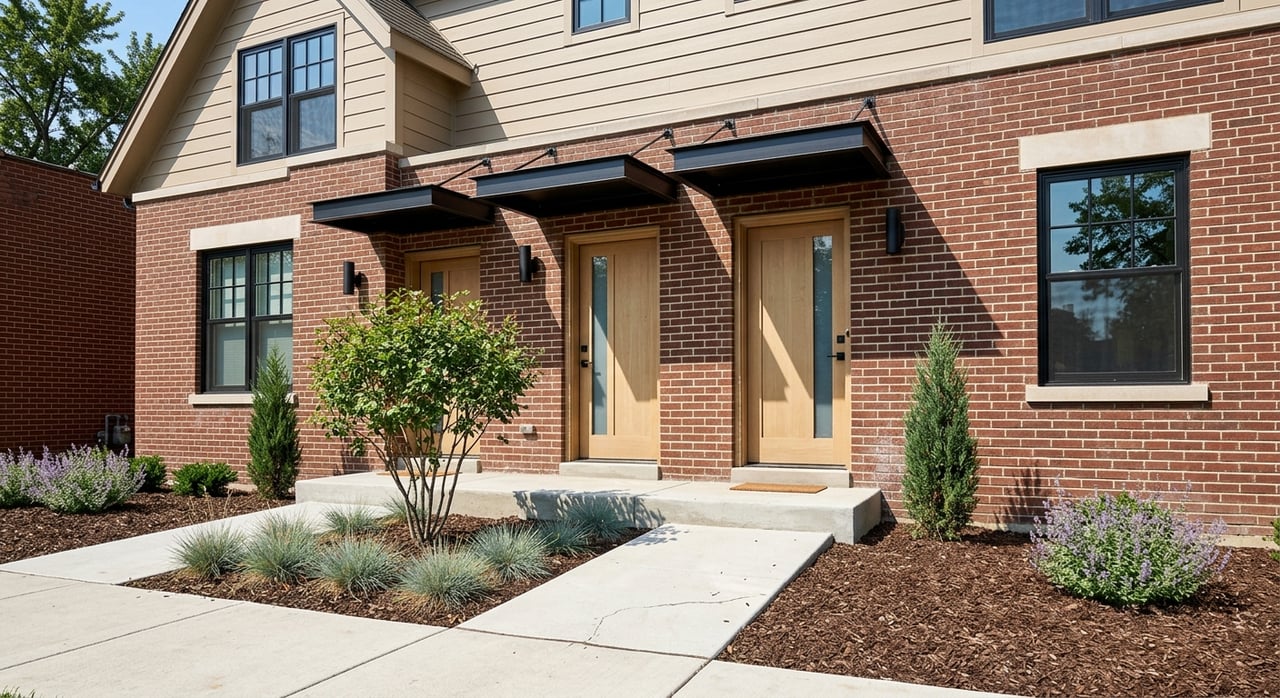
Getting Started with Small Multifamily Denver Investing
April 16, 2026
April 16, 2026
Thinking about buying a duplex, triplex, or fourplex in Denver? Small multifamily properties can be one of the most practical ways to lower your housing costs, build long-term equity, and gain hands-on real estate experience, but they also come with rules that are easy to miss if you are new to this space. In this guide, you will learn how small multifamily works in Denver, what financing paths may be available, and which due diligence steps matter most before you make an offer. Let’s dive in.
In Denver, “small multifamily” usually refers to duplexes, triplexes, and fourplexes, meaning residential properties with two, three, or four units. That sounds simple, but the legal setup matters more than the marketing language in a listing.
A property may look like a duplex or be described as multifamily, yet still need to fit the city’s zoning and use rules to function the way you expect. Denver’s zoning code descriptions make clear that certain districts are typically associated with duplex and triplex forms, so you should verify the parcel’s zone district and permitted use before you rely on a listing description.
For many Denver buyers, a small multifamily property offers a middle ground between buying a single-family home and buying a larger investment building. If you live in one unit and rent the others, the rental income may help offset part of your monthly housing cost.
That strategy can be especially appealing if you want to get into the market without taking on the full payment alone. It can also work well for buyers who want flexibility, such as living in one unit now and holding the property as a long-term rental later, as long as the property meets local rules and your financing matches your occupancy plan.
FHA loans can finance up to four units when you buy the entire building and plan to live in one of the units as your primary residence. According to the Consumer Financial Protection Bureau’s FHA loan guidance, down payments can be as low as 3.5%, though mortgage insurance is required.
For many first-time multifamily buyers, that lower entry point is the main attraction. The tradeoff is that mortgage insurance adds to your monthly payment, so you will want to run the numbers carefully before assuming the rental income makes the deal work.
Conventional financing can also be a strong option for 2- to 4-unit owner-occupied properties. Fannie Mae’s HomeReady program information shows that some buyers may qualify with flexible funding sources, including gifts, grants, and Community Seconds, and on-time rent payment history may help with qualification.
Fannie Mae’s HomeReady product matrix also notes that 2- to 4-unit principal residences are eligible, though HomeReady includes an 80% area median income limit. Freddie Mac’s standard conforming guidelines, cited in the research, allow up to 95% loan-to-value for 2- to 4-unit primary residences and 75% for 2- to 4-unit investment properties.
Loan limits matter quickly with multifamily purchases because the allowed limit increases by unit count. According to the FHFA’s 2026 conforming loan limits, Denver County limits are:
If your loan amount goes above the applicable limit, you may need a jumbo or other non-conforming loan product. That can affect both your down payment and your rate options.
Low-down-payment loans often bring added monthly costs. The CFPB explains in its conventional loan overview that conventional loans with less than 20% down typically require private mortgage insurance, while FHA loans require mortgage insurance on all FHA loans.
For a Denver duplex, triplex, or fourplex purchase, that means your payment analysis should include principal, interest, taxes, insurance, and any mortgage insurance. A property that looks affordable at first glance can feel very different once those costs are included.
One of the biggest advantages of small multifamily is that lenders may be able to count rent from the non-owner-occupied units when qualifying you. Fannie Mae’s current rental income policy guidance indicates there is no additional restriction for rental income used to qualify on a subject 2- to 4-unit primary residence, and Freddie Mac allows lenders to use gross monthly rental income for each non-owner-occupied unit based on signed leases, with appraisal-based estimates available in some cases.
That said, you should stay conservative. A lender may not count the full amount you expect, and your real-world cash flow can shift with vacancies, repairs, and turnover.
A smart approach is to evaluate the property based on realistic rent, not best-case rent. If the numbers only work under perfect conditions, it may not be the right first multifamily purchase.
If you plan to rent units for 30 days or more, Denver generally requires a Residential Rental Property license. The city’s rental property FAQ says this applies to landlords renting any dwelling unit long term in Denver, including duplexes and triplexes.
The same FAQ explains that a passing inspection from a certified private home inspector is required, the license is valid for four years unless ownership changes, and landlords must provide tenants with Denver Tenant Rights and Resources at lease signing and again if a rent demand is served. Before you buy, it is wise to confirm the current license status and understand what will be needed after closing.
If you are thinking about short-term rentals instead, Denver has stricter rules. The city’s short-term rental FAQ states that the short-term rental must be the host’s primary residence.
If the property is not your primary residence, it is not eligible for a short-term rental license and may require a lodging facility license and zoning approval instead. In other words, you should not assume a small multifamily purchase can be used for short-term rental income just because the layout seems ideal for it.
If your plan involves adding units, converting space, or changing use, zoning should be one of your first checks. Denver notes through its zoning permit information that zoning permits control how land and buildings may be used.
This is one of the most common places buyers get tripped up. Future value and future rent are only useful if the city actually allows the use you are planning.
Older Denver properties can offer character and upside, but they may also come with deferred maintenance. If a building needs work, HUD’s 203(k) program can finance purchase or refinance costs plus eligible rehabilitation for 2- to 4-family properties, including a limited 203(k) option for smaller repairs.
That can be useful, but it also adds oversight and documentation. If you are considering a property that needs updates, make sure your financing timeline and renovation scope are realistic.
Cash reserves matter too. The CFPB says in its home affordability guidance that closing costs typically run about 2% to 5% of the purchase price and recommends keeping an emergency cushion of about 3 to 6 months of expenses.
For a small multifamily buyer, that reserve can be the difference between a manageable surprise and a stressful one. Repairs, vacancy, and turnover do not always show up on a perfect schedule.
Owning a duplex, triplex, or fourplex means you are not just buying property. You are also taking on the responsibilities of a housing provider. Colorado’s landlord-tenant law summary states that security deposits generally must be returned within one month after a lease ends, though a written lease can extend that period to 60 days, and deposits cannot be kept for normal wear and tear.
Colorado also recognizes an implied warranty of habitability in residential leases. That means maintenance and repair planning should be part of your ownership strategy from day one, not something you figure out after closing.
Before you write an offer on a small multifamily property in Denver, make sure you verify the basics:
The CFPB notes in its loan estimate comparison guidance that shopping multiple lenders can potentially save borrowers $600 to $1,200 per year, and that lenders may charge slightly more for loans on homes with more than one unit.
It is also important to be honest and consistent about your occupancy plan. Freddie Mac warns in its discussion of reverse-occupancy misrepresentation that owner-occupant financing only works if you truly plan to live in the property as your primary residence.
For the right buyer, a Denver duplex, triplex, or fourplex can be a smart first step into both homeownership and real estate investing. The opportunity is real, especially if rental income helps lower your net housing cost, but so is the need for careful planning.
The best outcomes usually come from buying with clear expectations. If you understand the financing, verify the zoning and licensing, and build in room for repairs and reserves, you can approach your first small multifamily purchase with a lot more confidence.
If you are exploring small multifamily opportunities in Denver and want clear, hands-on guidance from search to close, Harrison McWilliams can help you evaluate options, think through the numbers, and build a plan that fits your goals.
Stay up to date on the latest real estate trends.

To always be authentic with my clients, team, and partners. Contact me today!