Living in Castle Rock CO: What New Residents Should Know
March 5, 2026
March 5, 2026
Thinking about moving to Castle Rock and wondering what daily life really looks like? You’re not alone. With a small‑town core, big Front Range views, and easy access to both Denver and Colorado Springs, Castle Rock draws a steady stream of newcomers each year. In this guide, you’ll get a clear picture of neighborhoods, housing costs, commutes, schools, parks, taxes, and practical tips to settle in smoothly. Let’s dive in.
Castle Rock sits on the Front Range at about 6,224 feet, roughly 30 miles south of downtown Denver and about 40 miles north of Colorado Springs. That location makes weekend trips and job options flexible if you split time between the two metros. The town’s feel is relaxed and outdoorsy, with plenty of trails and community spaces built into neighborhoods.
The walkable historic core around Wilcox and Perry anchors the small‑town identity with boutiques, restaurants, and Festival Park. Regular programming keeps the area lively through most of the year. You can preview seasonal highlights and street-closure event days on the Town’s events calendar.
If you love the outdoors, Philip S. Miller Park is a standout. The roughly 300‑acre park includes an amphitheater, a challenge hill, a paved loop, and a native‑surface singletrack network of about 8 miles. Get a feel for the amenities on the Town’s page for Philip S. Miller Park.
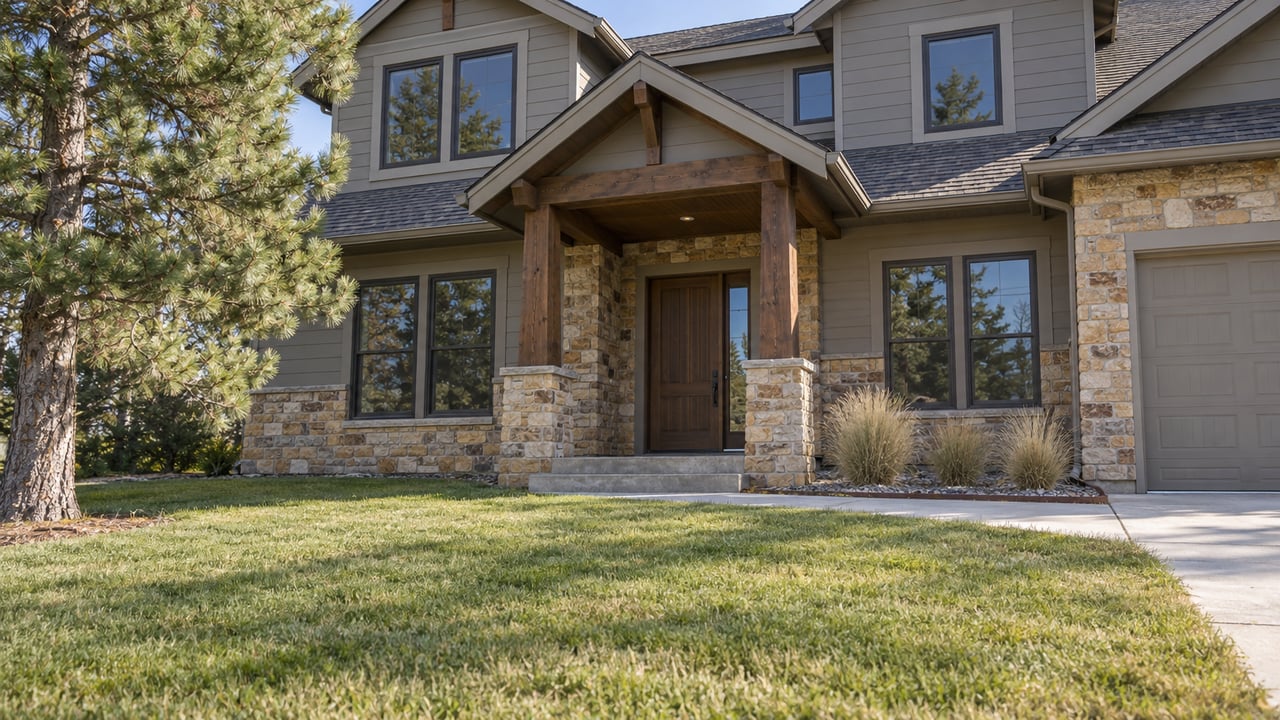
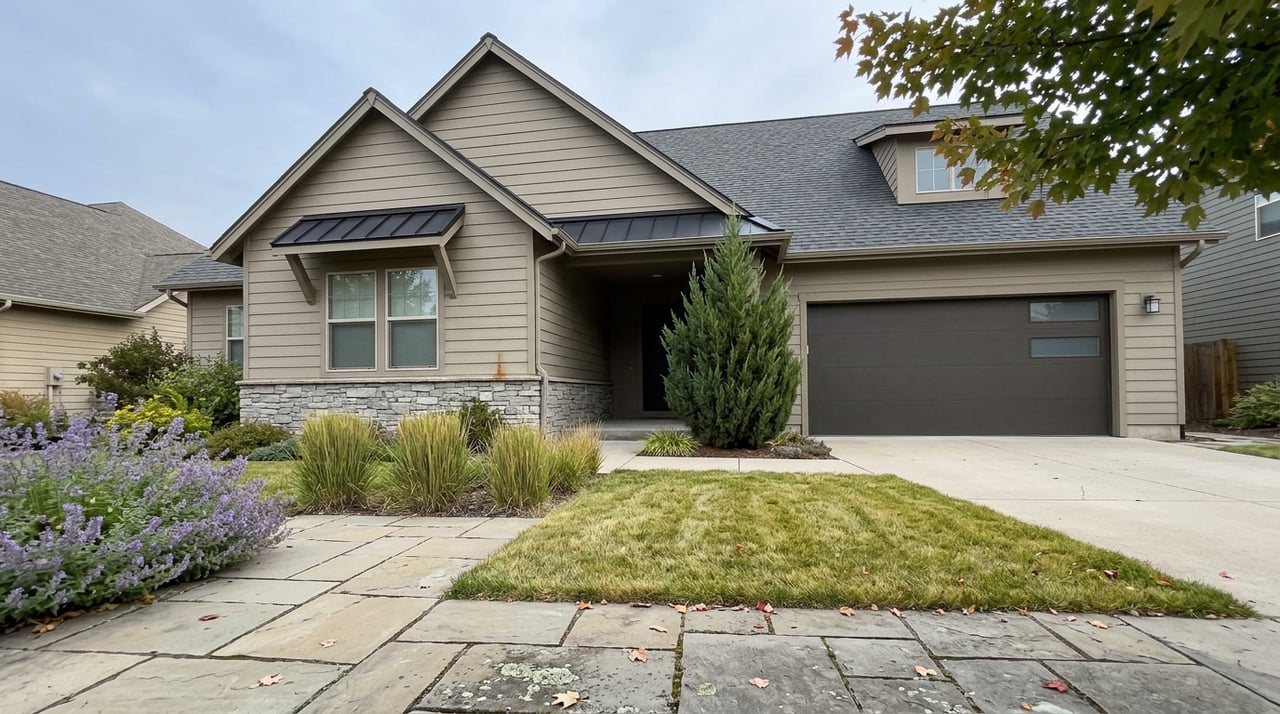
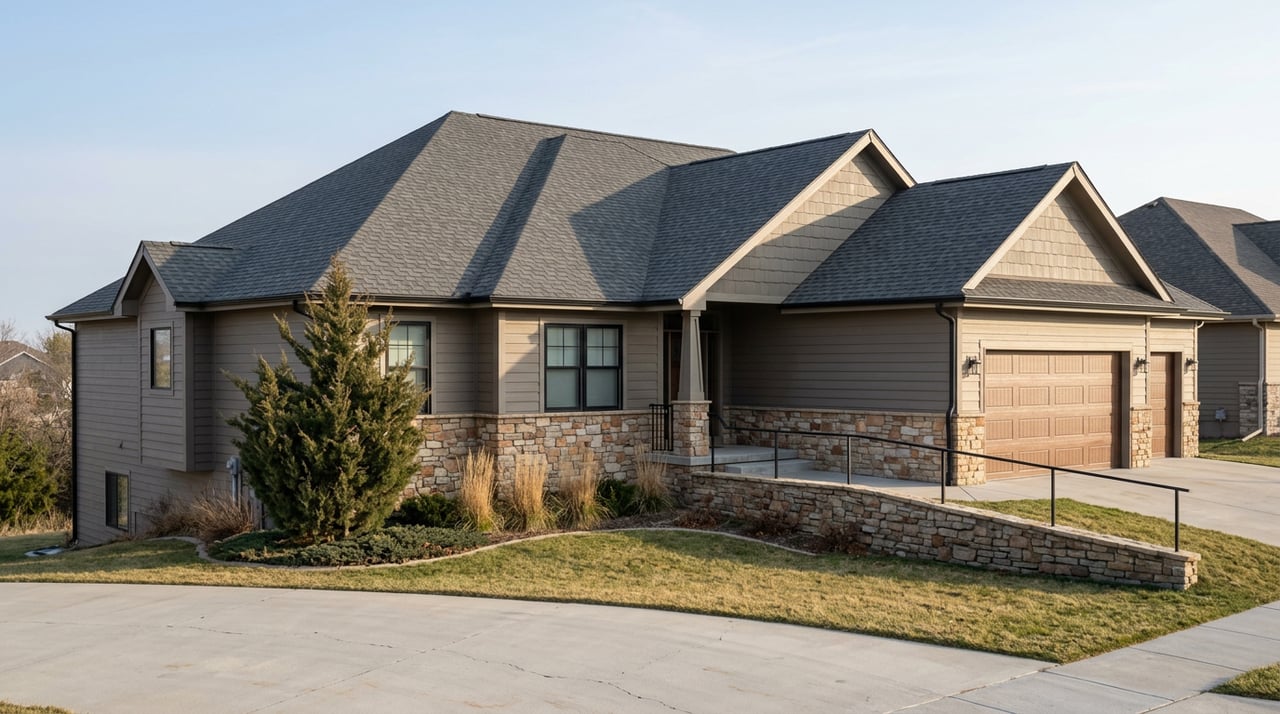
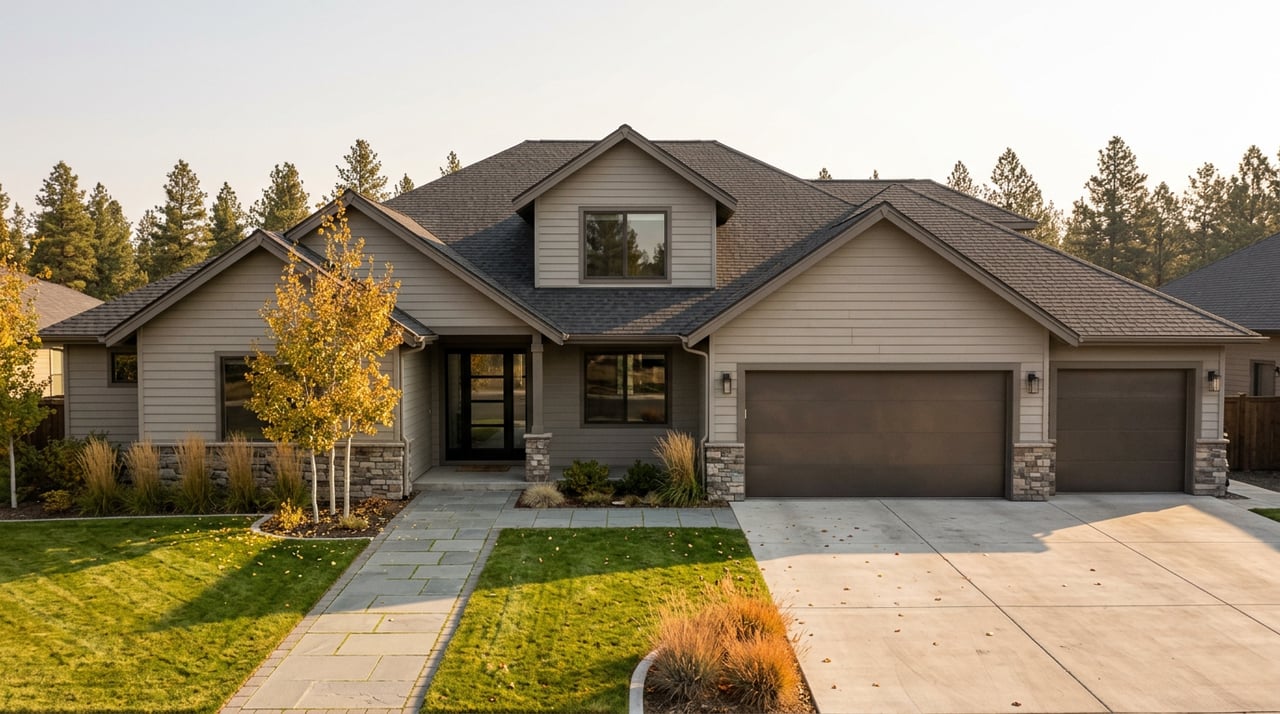
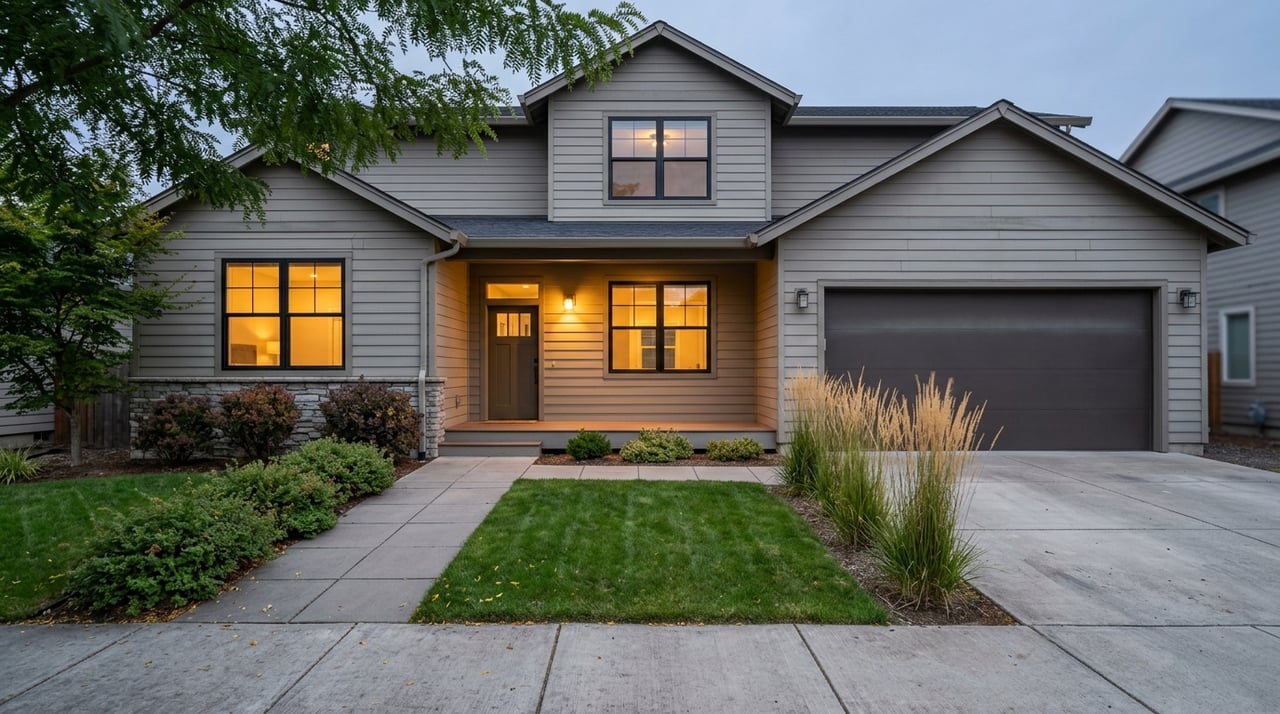
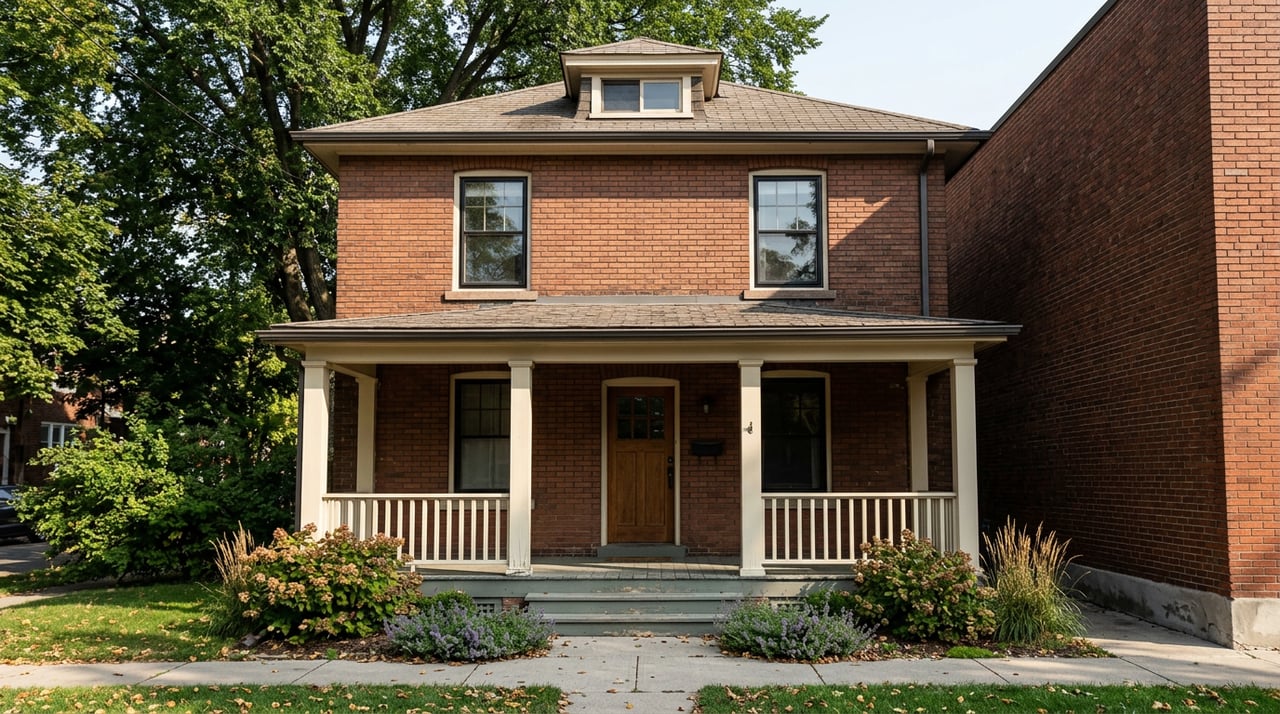
You’ll see a range of homes: mostly single‑family detached houses, many townhomes and patio homes, some condos, and a large share of new‑construction in master‑planned communities. HOAs are common and often bundle amenities like pools, parks, and trails. Product mix and lot sizes vary by neighborhood, so it helps to tour a few areas before locking in a short list.
Market measures vary by source and method, so use these as directional context and check current numbers before you buy. As of late 2025 to January 2026: Zillow’s ZHVI shows a typical home value near about $658,400 (data through January 31, 2026), Redfin reported a median sale price around $627,500 in January 2026, and Realtor.com showed a median listing price near $700,000 in December 2025. Entry condos and smaller townhomes have often trended in the low-to-mid $300Ks, while move‑up and luxury homes commonly reach $1 million and above depending on location and finishes.
The average commute time for workers 16 and older is about 29.2 minutes based on the American Community Survey 5‑year data. Real‑world peak hours on I‑25 can run longer, especially toward the Denver Tech Center and downtown. Many residents use flexible schedules, carpools, or adjust routes to balance the rush.
For context and background stats, check the Census QuickFacts for Castle Rock’s population, income, and commute measures on U.S. Census QuickFacts.
There is no heavy fixed‑rail commuter service in Castle Rock today. Colorado DOT has studied a Castle Rock mobility hub to expand regional bus service and connections, which you can review on the CDOT mobility hub study page. For airport trips, private shuttle operators, including Groome, offer scheduled stops that serve Denver International Airport and Colorado Springs.
Public schools in Castle Rock are part of the Douglas County School District. Key high schools that serve the area include Castle View High School and Douglas County High School, with feeder patterns set by address. Confirm assignments and programs using the district’s regional resource at the Douglas County School District – Castle Rock page.
AdventHealth Castle Rock serves as the local hospital with expanding specialty services. For tertiary care or subspecialties, many residents drive to larger Denver hospital systems as needed. Learn more about services and campus details at AdventHealth Castle Rock.
A recent municipal change increased the town portion of sales tax by 0.2 percent, bringing the combined rate to roughly 8.1 percent. Always verify current rates and details through the Castle Rock Economic Development Council’s summary on local government taxes.
Property taxes in Colorado are calculated using assessed value times the mill levy, which varies by area. With higher home values in Castle Rock, nominal tax bills can be larger even when rates look moderate. For parcel‑specific details, check with the Douglas County Assessor.
Castle Rock Water is shifting from deep groundwater toward a renewable mix that includes imported surface and reuse supplies through the WISE partnership. The town uses turf and landscape standards to manage peak summer demand, and many new neighborhoods follow drought‑smart design. Review the Town’s overview of the WISE water program and ask your HOA for any yard rules before planning new landscaping.
Master‑planned neighborhoods often have Covenants, Conditions and Restrictions that guide exterior changes, fencing, parking, rentals, and landscaping. Fees typically cover community amenities and sometimes exterior maintenance for attached homes. Before you buy, request the HOA’s CC&Rs, budget, and recent meeting minutes to understand rules and reserves.
Castle Rock owns and manages thousands of acres of parks and open space, which explains why many neighborhoods feature trailheads or pocket parks. Expect busy trail use on sunny weekends and quieter weekday windows. If views and outdoor access are priorities, tour at different times to test trail traffic and wind exposure.
Some Castle Rock areas interface with grasslands and shrublands. If you are buying near open space, check defensible‑space guidance and ask about recent mitigation work. Douglas County provides straightforward homeowner steps on wildfire mitigation and defensible space.
Castle Rock continues to grow, with an estimated 83,213 residents as of July 1, 2024, up from 73,158 in the 2020 Census. The 2019–2023 median household income is listed around $143,031 and the median owner‑occupied home value estimate is about $621,700. You can explore these figures on U.S. Census QuickFacts.
Use this quick list to plan your move with fewer surprises.
Castle Rock blends a welcoming main street, serious trail access, and practical proximity to two major job hubs. With clear expectations on commute patterns, HOA rules, water-smart landscaping, and market pricing, you can pinpoint the right neighborhood and home type with confidence.
If you want a local perspective from a Castle Rock resident who serves the entire Front Range, reach out to Harrison McWilliams. You’ll get hands‑on guidance from start to finish backed by Compass resources, clear communication, and a plan tailored to your move.
Stay up to date on the latest real estate trends.
To always be authentic with my clients, team, and partners. Contact me today!