Rockrimmon vs Northgate Colorado Springs: Understanding the Price Gap
September 17, 2026
September 17, 2026
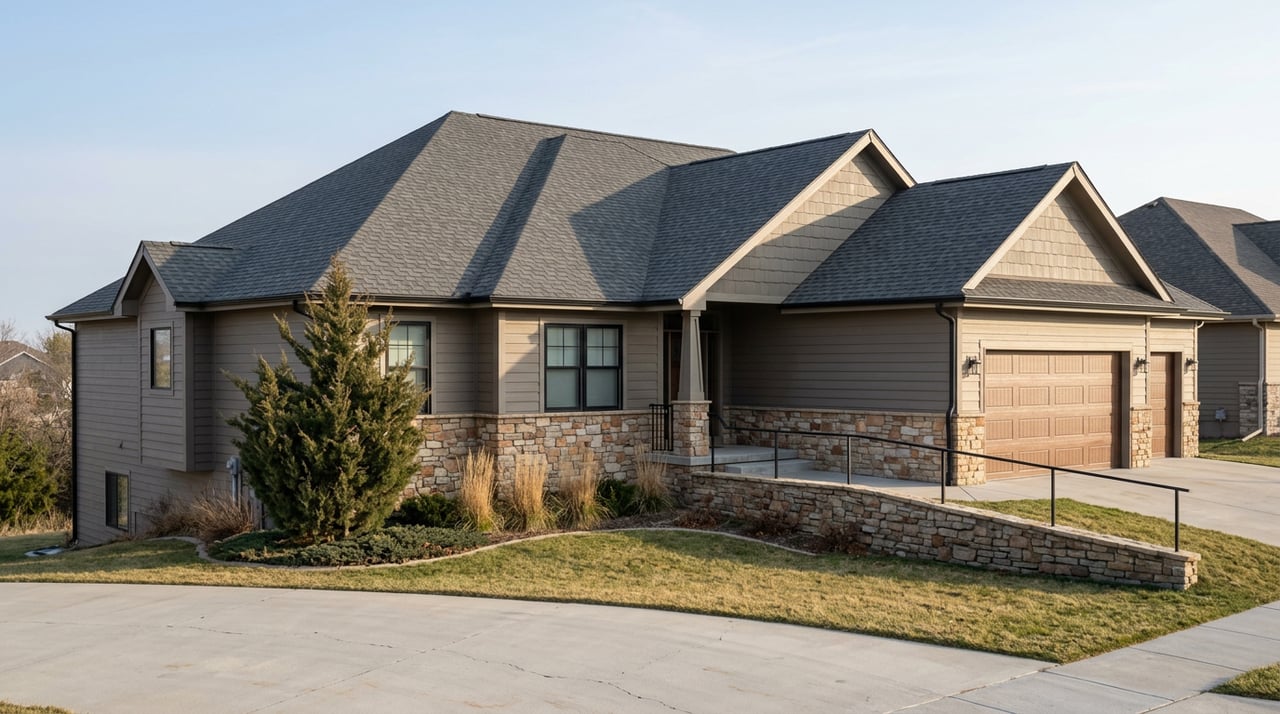
A family touring Colorado Springs on a Saturday morning sees a four-bedroom ranch in Rockrimmon listed in the mid $500,000s. That afternoon, they walk through a similar four-bedroom two-story in Northgate, a short drive north, priced well into the $700,000s. Same square footage, roughly. Same school buses, exactly. Both addresses feed into Academy District 20, the district families move to Colorado Springs specifically to get into.
So why does one cost six figures more than the other?
The easy answer, the one most buyers reach for first, is that Northgate must have the better schools. It doesn't. Rockrimmon Elementary is an International Baccalaureate school. Eagleview Middle sits on a ridge overlooking the city. Air Academy High School shares a campus with the Air Force Academy itself. These are the same D20 boundaries that draw families to Northgate. The district isn't the variable. Something else is doing the pricing work, and it has almost nothing to do with what happens inside the classroom.
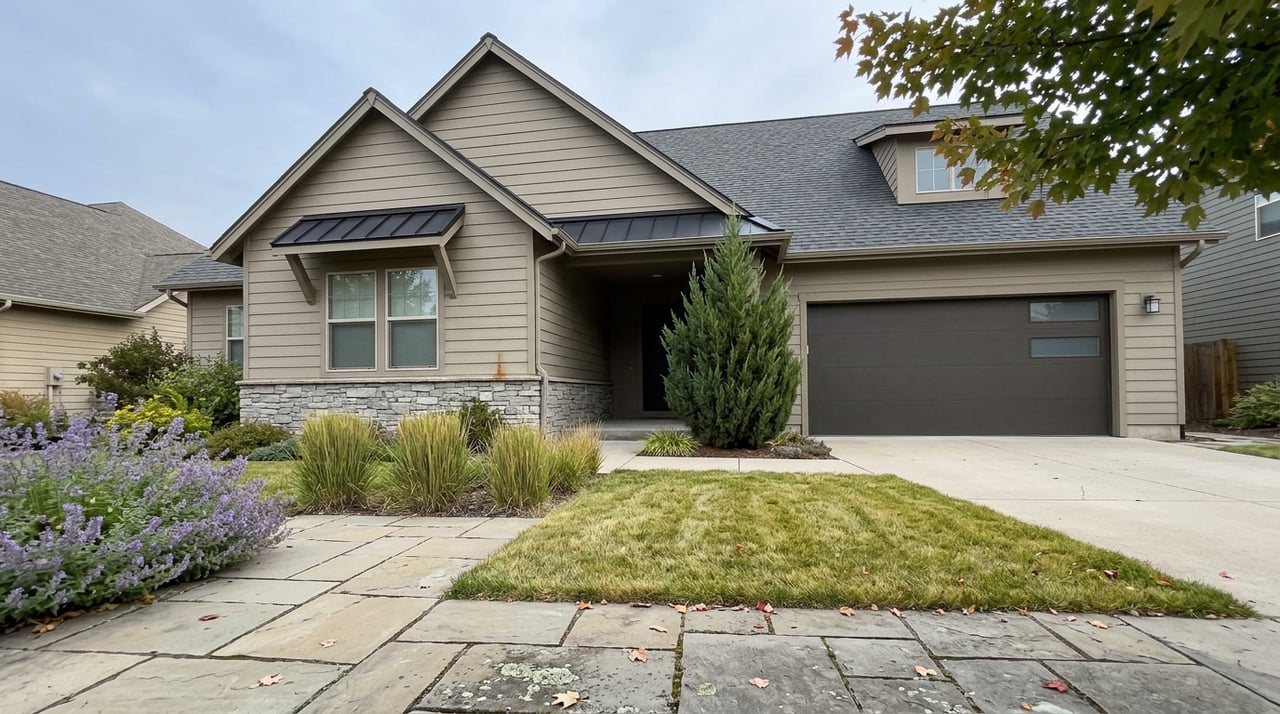
Rockrimmon went up in the 1970s and 1980s, built directly into the northwestern foothills. The neighborhood wraps around Ute Valley Park, a stretch of open space north of 300 acres, and the Vindicator Drive Trailhead puts mountain biking and hiking access at the edge of the driveway. The Rockrimmon Trail connects straight into the Pikes Peak Greenway, which means a rider can leave the garage and reach downtown without touching a road. Garden of the Gods sits five to eight minutes from the neighborhood's north entrance, close enough that residents use it the way other neighborhoods use a corner park.
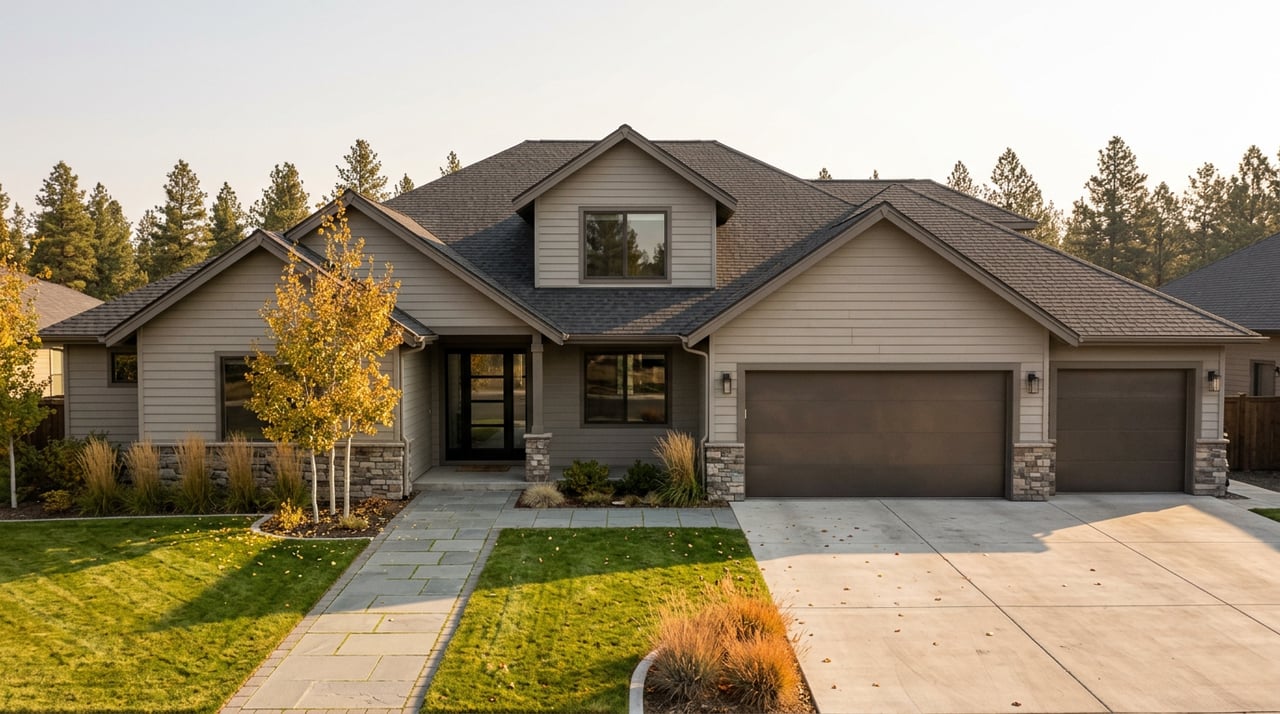
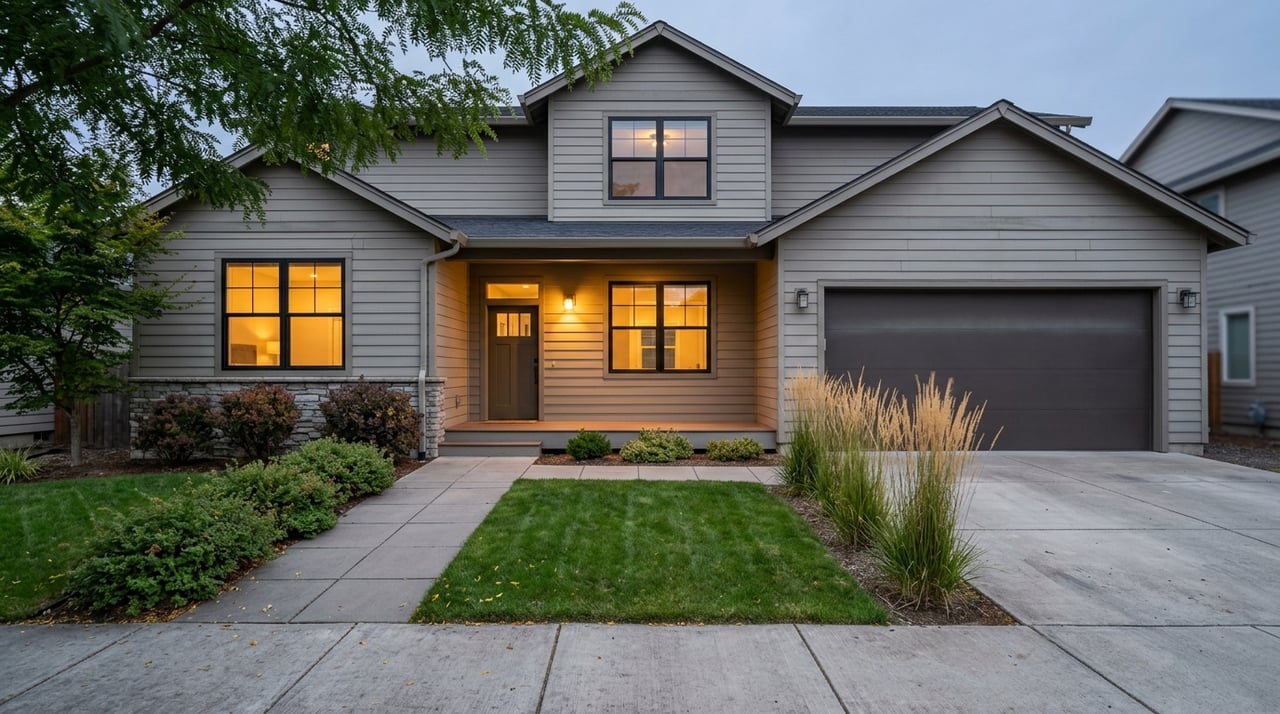
Northgate is a different generation entirely. Development started in the late 1990s and accelerated through the 2000s and 2010s along the I-25 corridor, with the Air Force Academy forming its western edge. Retail followed the rooftops. Polaris Pointe along Interquest Parkway brought in Bass Pro Shops, In-N-Out Burger, and a run of restaurant chains, while Northgate Marketplace added grocery and casual dining within walking distance of many homes. The housing stock reflects the newer build cycle: open floor plans, gourmet kitchens, three-car garages, and finished basements as the default rather than the upgrade.
That gap in vintage explains more of the price difference than location ever could. Rockrimmon's older stock means original owners are only now starting to sell, and buyers should expect the deferred maintenance that comes with a roof or furnace pushing past the four-decade mark, sometimes closer to five. Northgate's newer stock comes finished, but it comes with something Rockrimmon mostly doesn't: a metropolitan district mill levy layered onto the property tax bill, on top of HOA dues that run higher in the patio home and townhome sections where the association also covers landscaping and snow removal. Rockrimmon, by contrast, has no single overarching HOA at all. It operates as a patchwork of smaller associations tied to specific filings, like Discovery and Golden Hills, which means less architectural oversight but also less predictability from one street to the next.
| Rockrimmon | Northgate | |
|---|---|---|
| Built | 1970s to 1980s | Late 1990s through 2010s, newest phases still building |
| HOA structure | No single HOA, patchwork of smaller associations by filing | Single HOA per phase, plus metro district mill levy in many sections |
| Typical layout | Ranch and split-level, walkout basements built into hillside terrain | Two-story, finished basements, three-car garages standard on resale |
| Trail access | Direct, Ute Valley Park and Rockrimmon Trail from the neighborhood | Paved multi-use paths, Smith Creek Open Space nearby |
| School zone | Academy District 20 | Academy District 20 |
Here's the part of the comparison a listing sheet never shows: what it costs to insure the house after closing.
Colorado's homeowners insurance market has repriced itself over the past several years around wildfire exposure, and the terrain that makes Rockrimmon appealing to hikers and mountain bikers is the same terrain insurers price for risk. Rocky outcroppings, scrub oak, and the kind of hillside lot that gives a home its view are also the ingredients of a defensible space problem. Colorado Springs' west side, along with Black Forest and Flying Horse, have been named specifically in industry coverage this year as areas where wildfire-exposed premiums climbed from a pre-crisis range in the low thousands to somewhere between $4,500 and $8,500 a year, an increase of 150 to 250 percent since the Marshall Fire recalibrated how carriers model risk statewide. Rockrimmon isn't always named in the same breath as Black Forest, but the terrain overlaps closely enough that homeowners there have been flagged this year for the same pressure: strong family appeal, offset by rising insurance costs tied to that wildland-urban interface exposure.
Statewide, a 2026 estimate puts fire-zone homes anywhere in a $6,500 to $15,000-plus annual range depending on rebuild cost, roof age, access, and vegetation, against roughly $4,200 to $5,200 for an average Colorado homeowner outside that exposure. Colorado's HB25-1182 was written specifically to force more transparency into how insurers evaluate these properties, which tells you the legislature saw the same pattern buyers are running into now. Carriers increasingly want documentation before they'll write a policy at a reasonable rate: Class A roofing, cleared vegetation out to 30 feet or more, and photographed proof of the work. None of that shows up in a listing description. It shows up three weeks into a contract when the insurance quote lands.
Northgate's newer, denser lots mostly sidestep this. Less vegetation, more consistent lot clearing, and a housing stock young enough that roofs rarely trigger the underwriting flags that push a policy into the surplus lines market. The metro district mill levy is a known, fixed cost. The wildfire premium in Rockrimmon is a variable one, and it's the variable that quietly eats into whatever the purchase price appears to save.
There's a second lesson buried in this comparison, and it has nothing to do with wildfire risk. It's about how easy it is to misread a neighborhood's price from a portal.
Zillow's typical home value for Northgate sits at $677,628 as of its most recent update this year, down 3.8 percent from a year earlier. A separate twelve-month trailing figure puts the median sale price closer to $667,500, down roughly 7 percent year over year. But look at what's actively listed for sale in Northgate right now, as of early September 2026, and the median list price jumps to $825,000, with homes averaging $256 a square foot and 79 days on market across 116 active listings.
That's not three different markets. It's three different slices of the same one. The typical value metric reflects the full neighborhood, older resale and new construction together. The trailing twelve-month median reflects what actually closed, which skews toward whatever mix of buyers happened to transact. The active listing median reflects only what's for sale this month, and right now that mix leans toward larger, newer product; the kind of six-bedroom, finished-basement build that Northgate has been producing for the last decade. A buyer who only checks the active listings and assumes that's "the Northgate price" is comparing against the newest, biggest slice of inventory, not the neighborhood's full range.
For context, Colorado Springs citywide sold at a median of about $467,000 over the three months ending July 2026. Rockrimmon's housing stock, described by neighborhood profiles as running from starter condos and townhomes up through mid-century and ranch-style homes, sits much closer to that citywide number than Northgate's active listings do. That's the real shape of the comparison: not two neighborhoods separated by school quality, but one older, more affordable, more insurance-exposed stock sitting against one newer, pricier, better-insured stock, five minutes apart in the same district.
Neither neighborhood is the better buy in the abstract. The right one depends on which line item you'd rather manage. A Rockrimmon buyer trades a lower purchase price and immediate trail access for an insurance quote that needs to happen before the offer, not after, and a maintenance budget that assumes an original-owner house due for updates. A Northgate buyer trades a higher purchase price and a metro district mill levy for a newer build, a more predictable HOA structure, and a standard insurance policy that won't require defensible space documentation.
If Rockrimmon is on your list, get a wildfire insurance quote during your inspection period, not after closing. Ask directly about roof age and whether the seller has documentation of any mitigation work. If Northgate is on your list, ask what the metro district mill levy actually costs annually on the specific address, since it varies by phase and isn't always obvious from the listing.
Either way, the school district was never the deciding factor. The decade the house was built, and the insurance bill that comes with it, is.
Ready to compare specific addresses in Rockrimmon and Northgate, or anywhere else along the Front Range? Harrison McWilliams works these neighborhoods directly and can walk you through what a specific listing's insurance exposure and HOA structure actually look like before you write an offer. Schedule a free consultation and let's plan your next move.
Are all Rockrimmon and Northgate addresses zoned to the same D20 schools? Both neighborhoods sit within Academy District 20, but specific school assignments still depend on the exact address and current boundary maps. Confirm the assigned elementary, middle, and high school for any specific property before assuming it matches a neighboring listing.
Does every home in Rockrimmon require wildfire mitigation documentation to get insured? Not automatically. Underwriting depends on the specific lot, roof age and material, defensible space, and access, evaluated property by property rather than as a blanket neighborhood rule. Get a quote on the specific address before assuming a rate.
This article is general information, not legal, tax or financial advice. Consult a qualified professional about your situation.
Stay up to date on the latest real estate trends.
To always be authentic with my clients, team, and partners. Contact me today!